Cover Story

ITALY

Vineyard Silence
at Sunset

Wine, earth, and letting go.

A journey through Italy’s vineyards — where centuries of tradition, patient hands, and golden evenings teach us the art of slowing down and living well.

There is a moment in Italy when time does not stop. It simply loosens its grip. The sun leans lower over the vines, the air turns liquid gold, and even the most talkative Italian finds a pause — miraculous, almost suspicious in its rarity.

This is not a country that does anything quickly, especially the things that matter. Wine is not made in a hurry, food is not eaten in a hurry, and life — well, life is definitely not meant to be rushed.

If you come to Italy looking for efficiency, you may need a strong espresso and a new mindset. If you come looking for meaning, you may just leave with a quieter heart.
Some vineyards are older than most of our modern ideas about success.

Italy’s vineyards are not new. Some are older than the United States, older than most of our modern ideas about success, and definitely older than our ability to reply to emails.

The Etruscans were already cultivating vines hundreds of years before Rome became Rome. The Romans then improved the technique, spread the vines, and basically turned wine into an empire-wide passion project.

Later, monasteries preserved the tradition when the world became chaotic — which, let’s be honest, has happened occasionally. Families then passed it down like recipes, like lullabies, like secrets worth keeping.

https://healnest.indomura.com/wp-content/uploads/2026/05/Hands-Touching-Grapes-.jpg
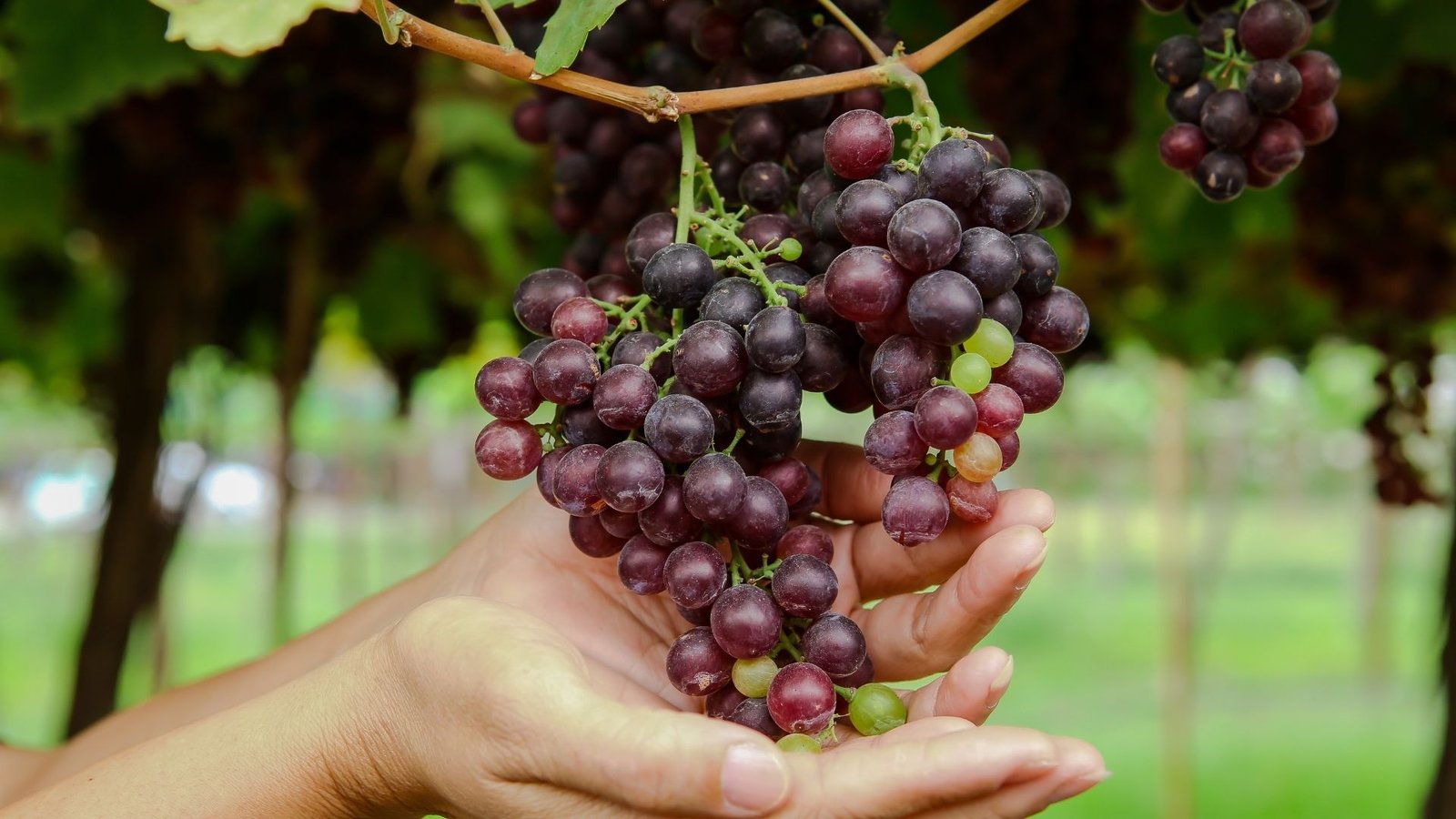
Every grape carries a small biography: sun, rain, soil, patience, and someone’s careful hands.

In Italy, presence is rarely announced. It simply sits down at the table.

No one wakes up and announces, “Today I will practice presence.” They wake up, make coffee, argue about football, feed the dog, wave to the neighbor, and somehow — that is presence.

They do not say, “I am going to decompress.” They say, “Andiamo.” Let’s go. And often, they go to a table.

Italians do not need a therapist appointment to reconnect. They have grandmothers, long lunches, short tempers, deep friendships, and a cultural agreement that a good meal can solve at least 43% of life’s problems.

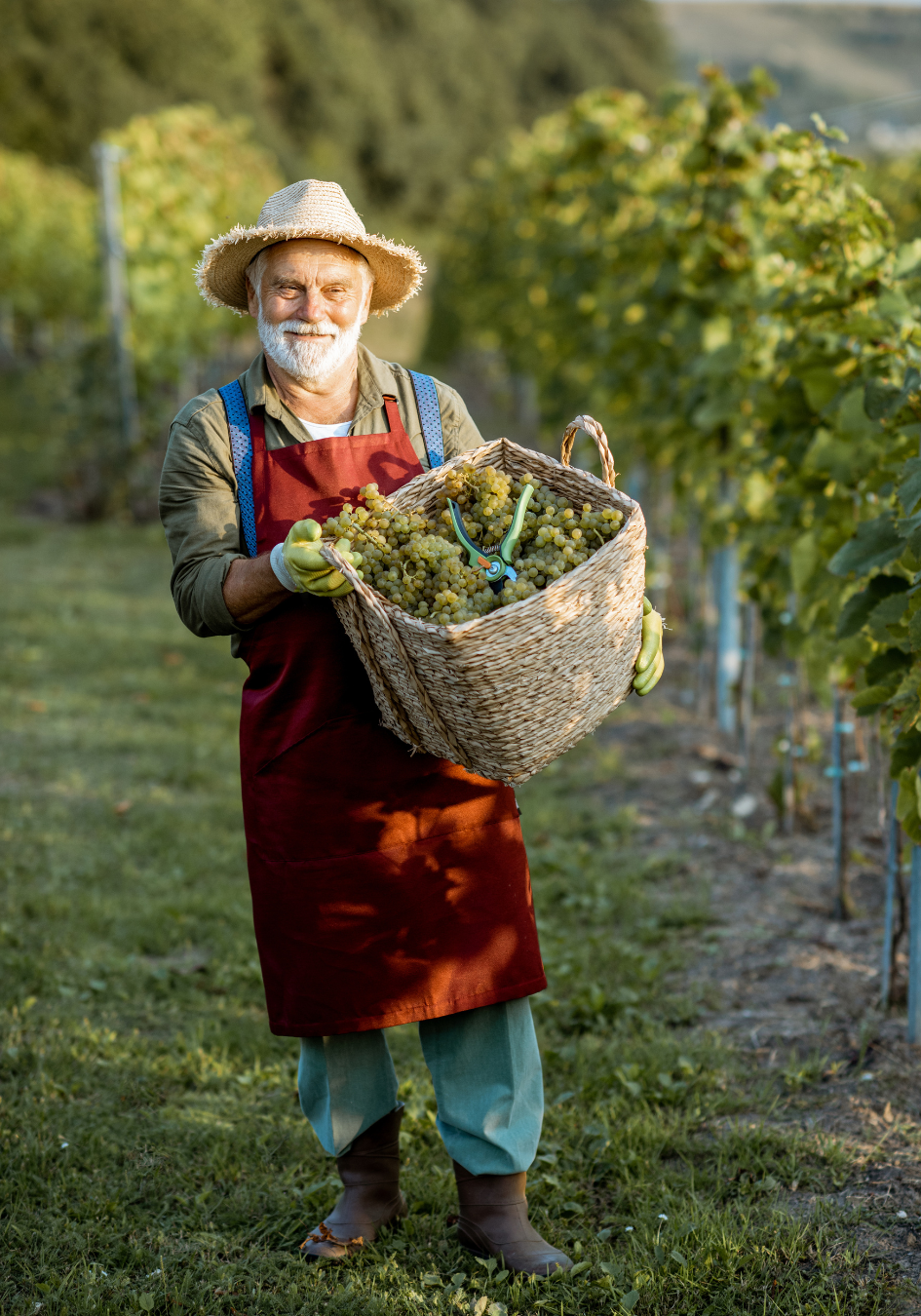
Older man in vineyard holding grapes

It’s the pause.

Let’s get something straight: Italians are not walking around in a permanent state of wine-induced bliss. Wine is not the point.

The pause is. The conversation is. The land is. The moment when the sunset makes everyone slightly poetic — that is the point.

The glass is just the excuse. A delicious, ancient, beautifully fermented excuse.

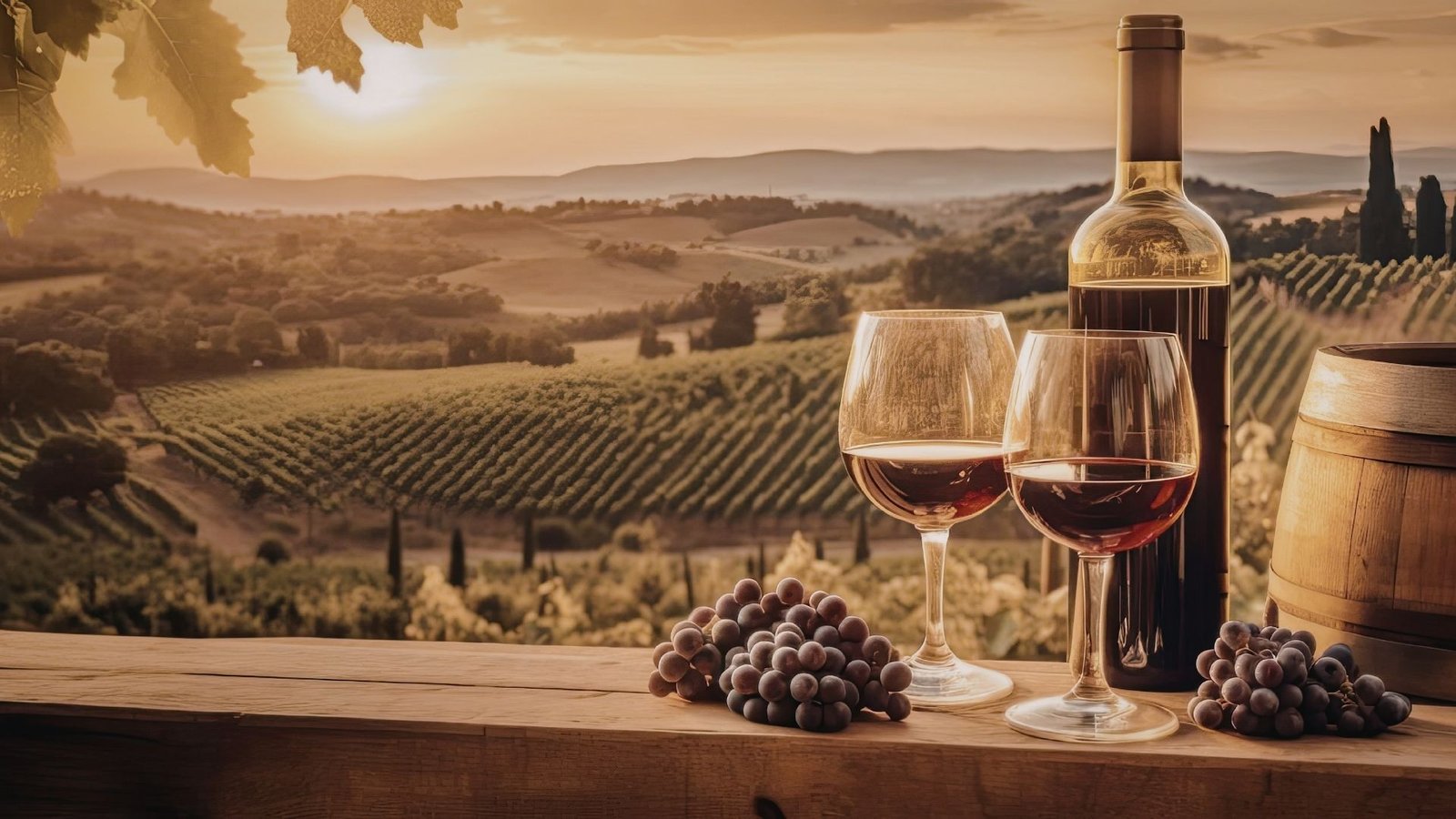
Wine glass at sunset

Humor is part of the culture.
Sarcasm is the other part.
It is how Italians survive, thrive,
and occasionally win arguments.

“In Italy, a glass of wine is not a reward.
It’s a punctuation mark.
A very important one.”

Vineyards and Vanities

Here’s a little Italian truth with love: Italians care deeply about many things — family, food, beauty, respect, traditions, and the gentle art of looking effortlessly effortless.

But they care even more about authenticity. You cannot fake it in Italy. You cannot fake the food. You cannot fake the accent. And you definitely cannot fake enjoying a wine you don’t like. They will know. They always know.

The vineyard does not care about your Instagram. It cares about the soil. It is humbling in the best possible way.

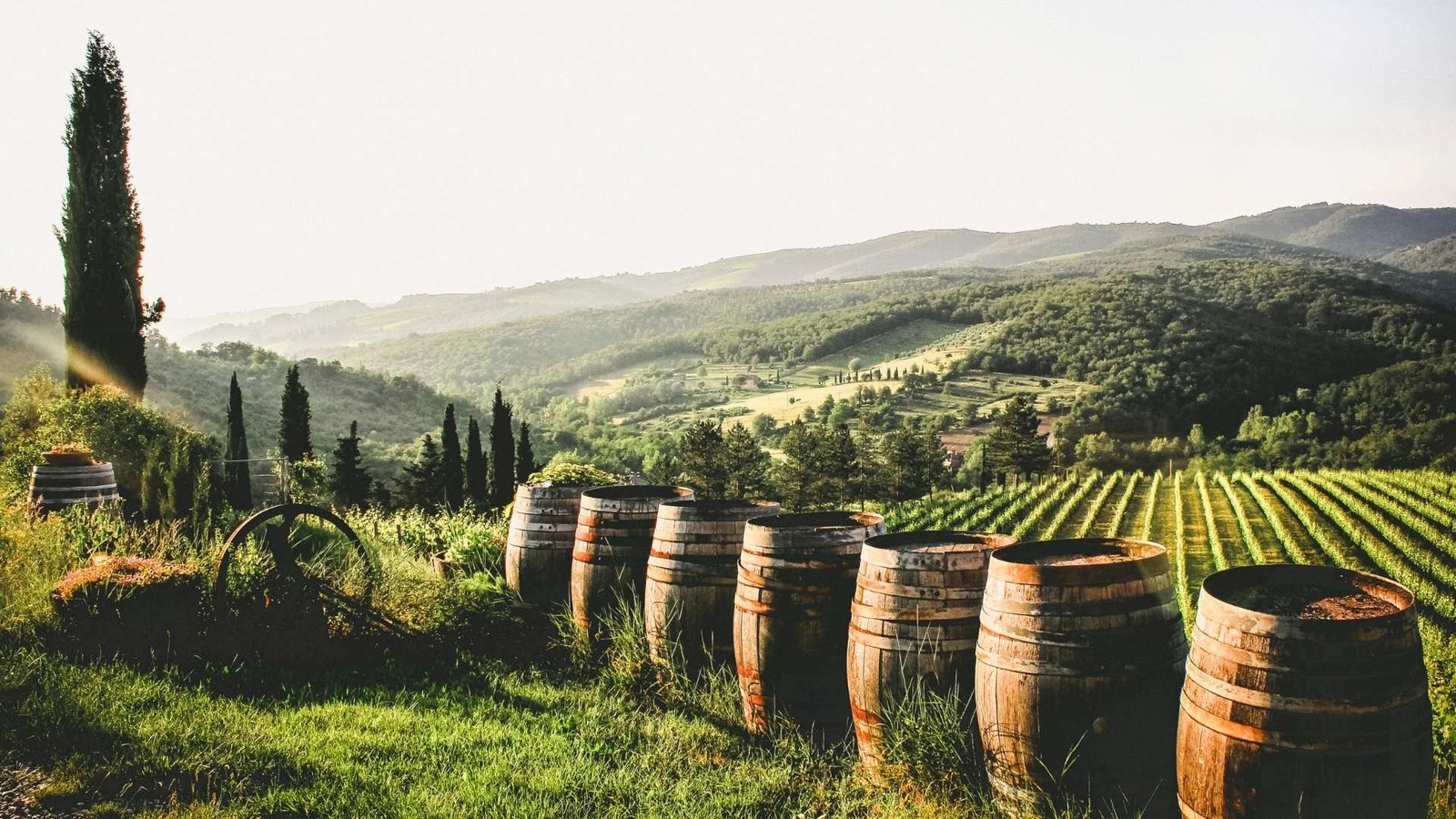
Small Tuscan vineyard view

A Brief, Non-Boring History of Wine in Italy

800 BCE

Etruscans cultivate vines and treat wine like a gift from the gods.

1st Century BCE

Romans turn wine into infrastructure. They build roads. For wine.

Middle Ages

Monks become the original winemakers and quality controllers.

Renaissance

Wine and art flourish together. Coincidence? Absolutely not.

Today

Italy remains one of the world’s most diverse and passionate wine cultures, not because of technology, but because of soul.

What the Vineyard Teaches Us

01

Patience

Good things take time. Always.

02

Presence

Be here. Now. Not yesterday. Not tomorrow.

03

Letting Go

The vine lets go of leaves so fruit can grow. We could learn from that.

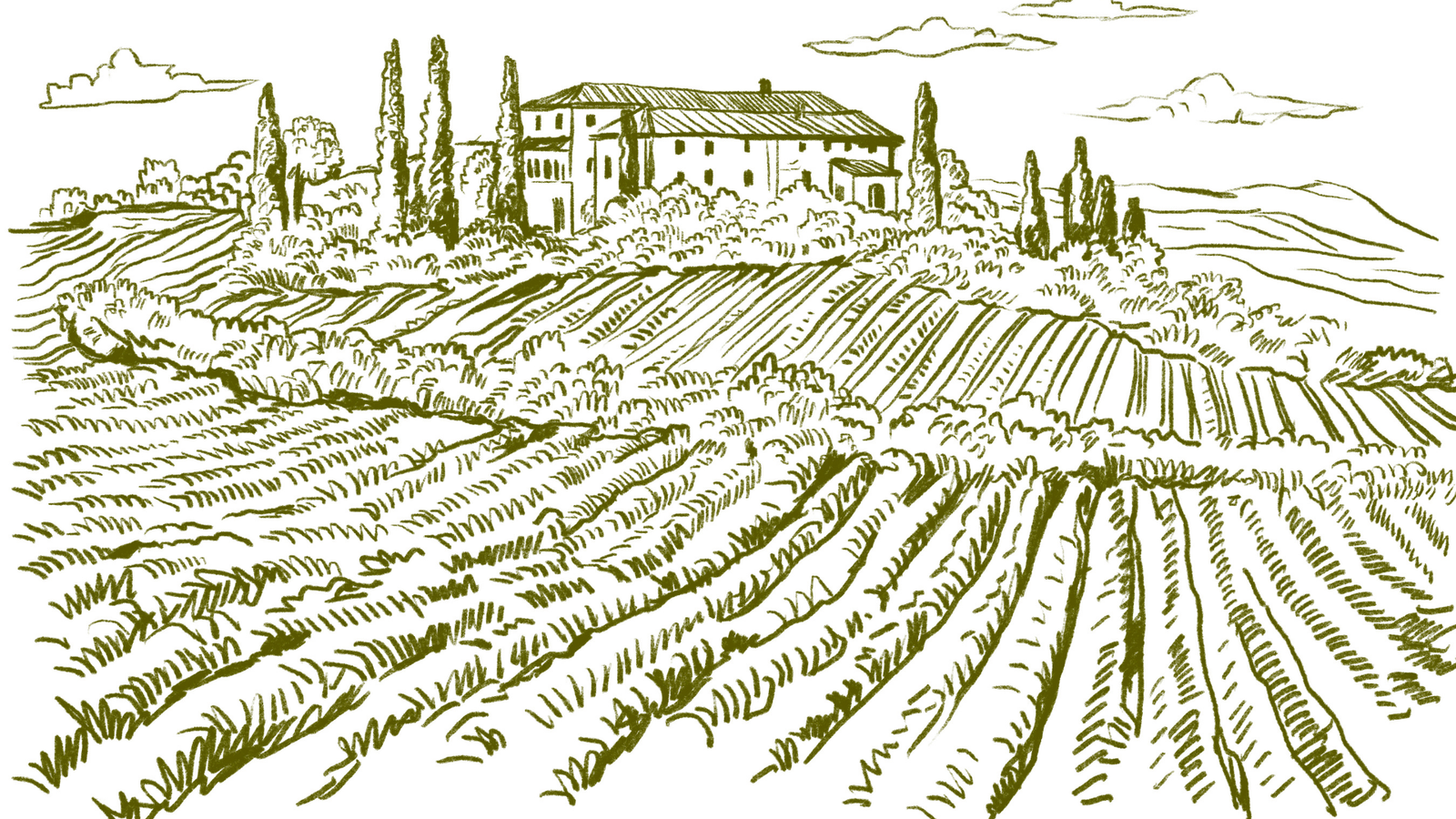
Vintage vineyard sketch

Italy doesn’t promise you a perfect life.
It promises you a beautiful one.
And that’s far more honest.

The Quiet After

When the sun disappears, the lesson remains.

The vineyard does not ask us to become different people. It asks only that we return, for a while, to a slower rhythm — to earth, to warmth, to friendship, to the simple mercy of not rushing through our own lives.