
Dim the room.
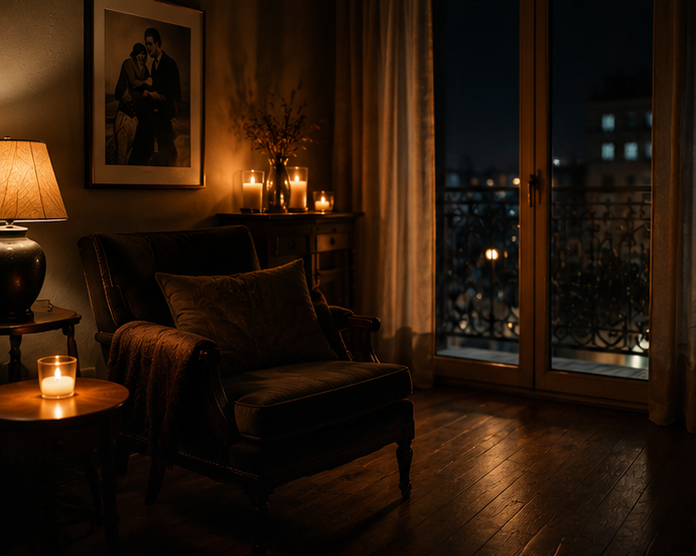
Choose evening light. Turn off bright overhead lamps. Let the room feel private, warm, and unhurried.
Light one candle or use a warm lamp. Sit quietly for one minute before playing music.
In Buenos Aires, identity is not always spoken. Sometimes it is held for three minutes in an embrace, carried by music, and returned to the body as courage.
There are rituals that heal by calming the mind. Others heal by bringing us back into contact with the parts of ourselves we abandoned in order to survive. In Argentina, tango belongs to the second kind.
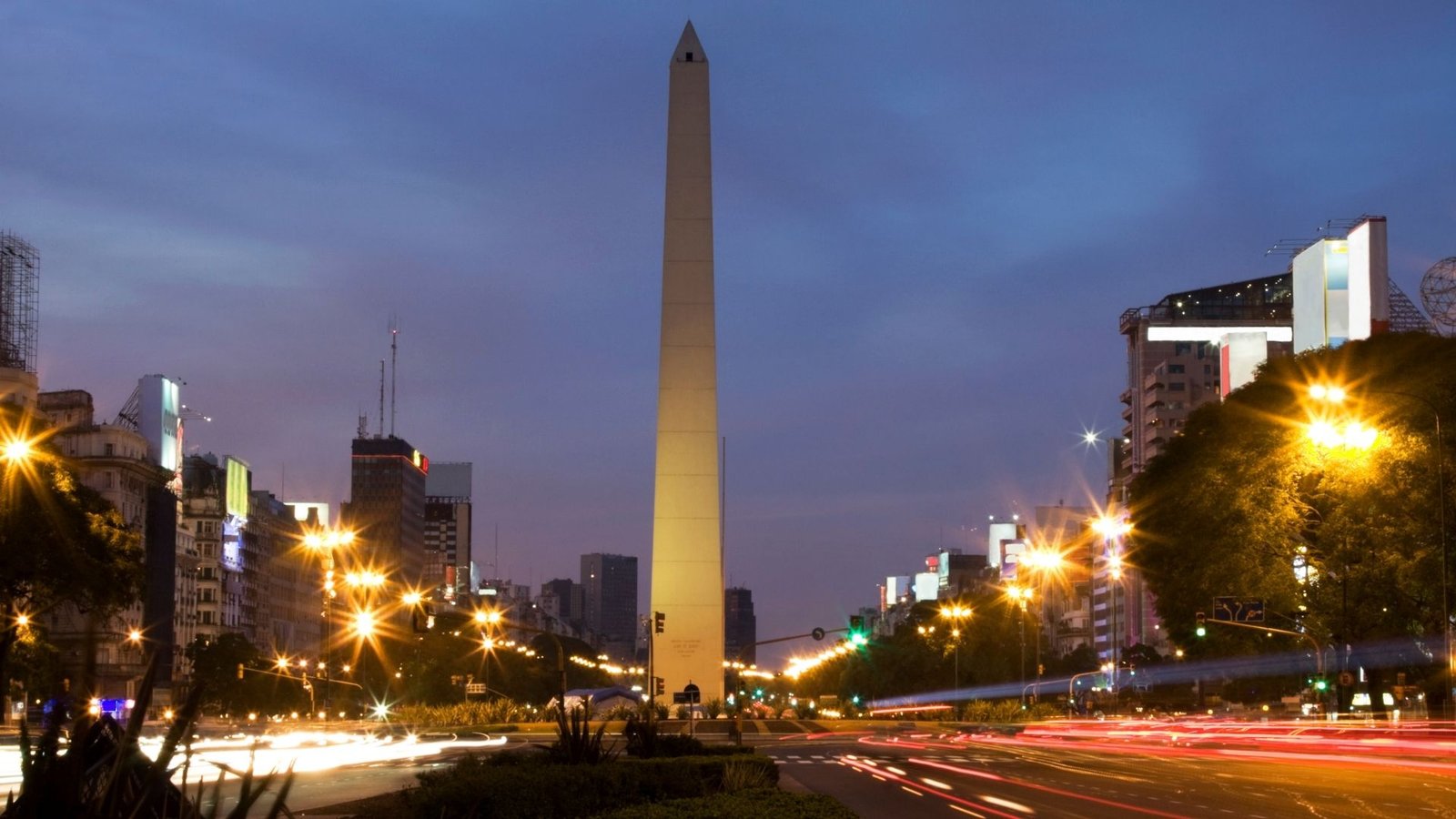
Buenos Aires does not reveal itself quickly. It lets you notice small things first: the faded balconies, the old cafés, the slow conversations, the shoes polished with almost devotional care.
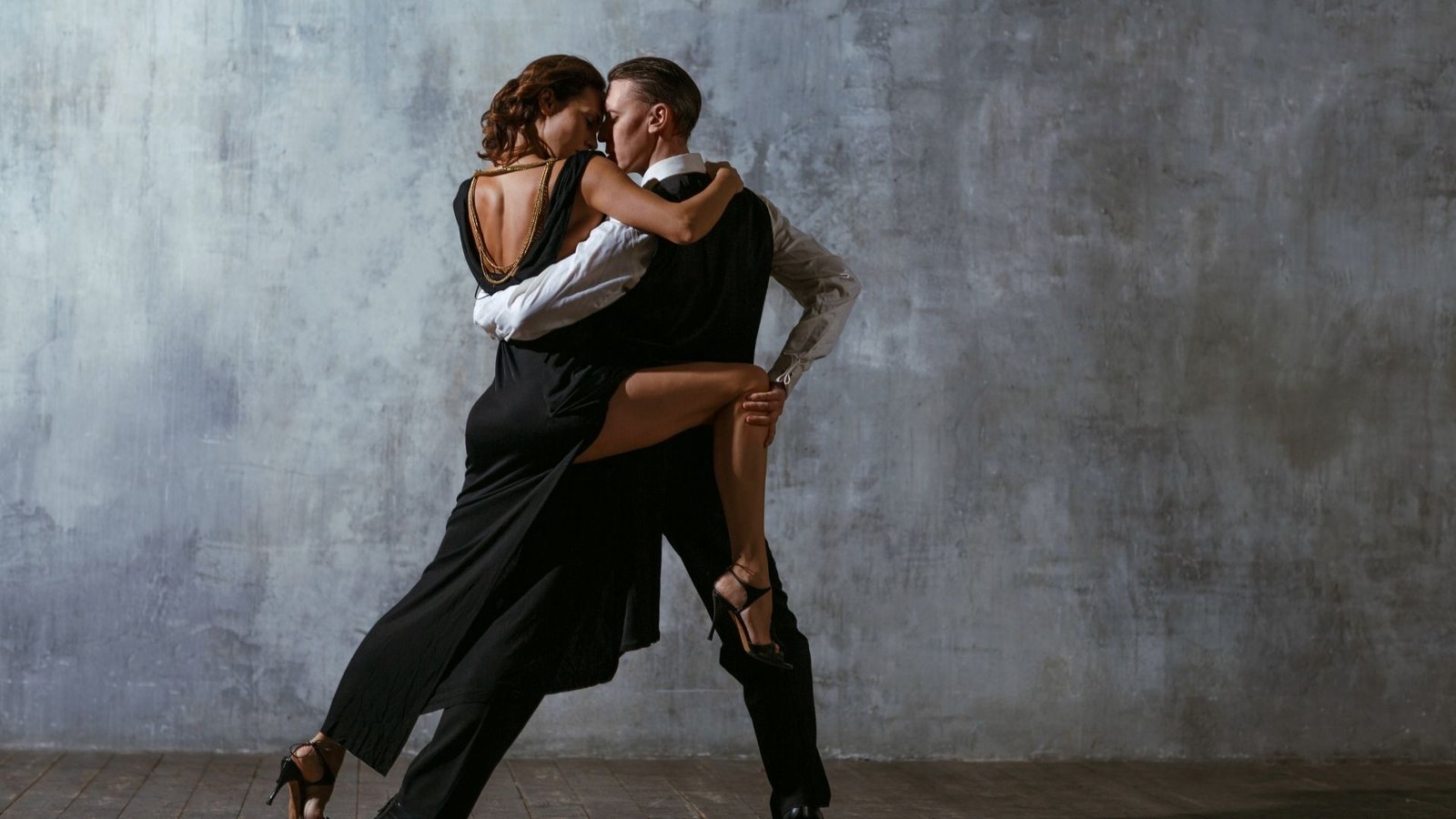
Then, somewhere near midnight, music slips through a doorway. A violin sighs. A piano answers. Two strangers step toward each other in a room filled with amber light.
To the visitor, it may look like romance. But to Argentina, tango has always carried something heavier and more tender: the ache of people trying to remember who they are.
“Tango is not only a dance of desire. It is a dance of exile, memory, grief, and return.”
Argentina · Identity as Healing
Tango was born in the late nineteenth-century neighborhoods of Buenos Aires and Montevideo, where immigrants, workers, sailors, African communities, gauchos, widows, and wanderers crossed paths.
Many had left one home and not yet found another. Their accents were mixed. Their futures were uncertain. Their loneliness needed somewhere to go.
So tango became a language for fractured identity. African rhythm, European melancholy, Latin tenderness, and immigrant longing entered the same room — and began to move together.
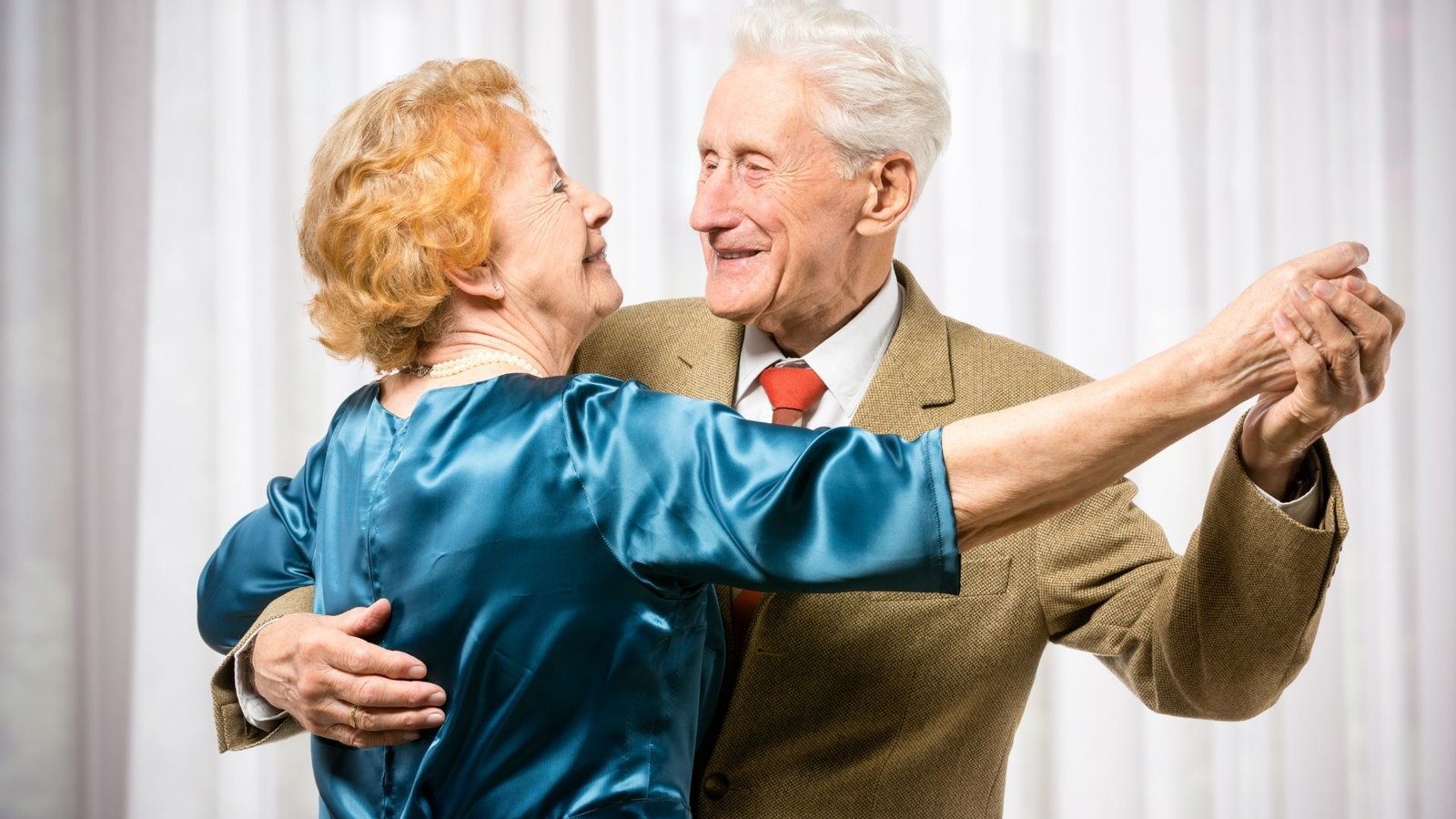
In a real milonga, nobody asks what you do for work. Nobody needs your biography. A retired accountant may dance with a young architect. A widow may close her eyes. A traveler may forget, briefly, the need to be impressive.
The body listens. The breath adjusts. The nervous system slowly realizes it is not alone. This is tango’s quiet therapy: not to erase sadness, but to give sadness rhythm.
For people carrying heartbreak, grief, displacement, loneliness, or emotional exhaustion, the embrace can feel almost startling. Not dramatic. Not magical. Just human.
Modern life often asks us to define ourselves quickly: title, role, achievement, relationship status, nationality, age, success. Tango loosens those labels.
In the dance, identity becomes fluid. You are not your résumé. You are not your loss. You are not only the person who was left, or the person who had to leave.
You are breath, weight, listening, hesitation, trust. You are still capable of response. And sometimes, that is the beginning of healing.
You do not need a ballroom. You do not need a partner. This is not about performing tango. It is about borrowing its emotional wisdom: music, posture, memory, and gentle return.
Choose evening light. Turn off bright overhead lamps. Let the room feel private, warm, and unhurried.
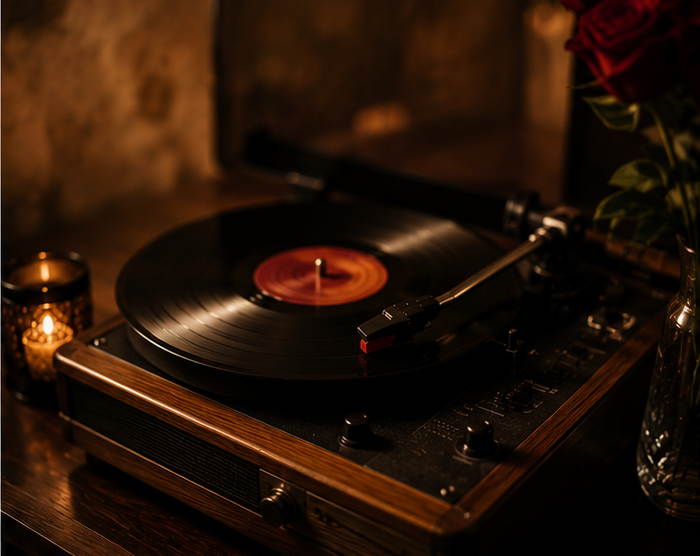
Choose an instrumental tango or a slow Argentine classic. Keep the volume soft, almost like a memory in the room.
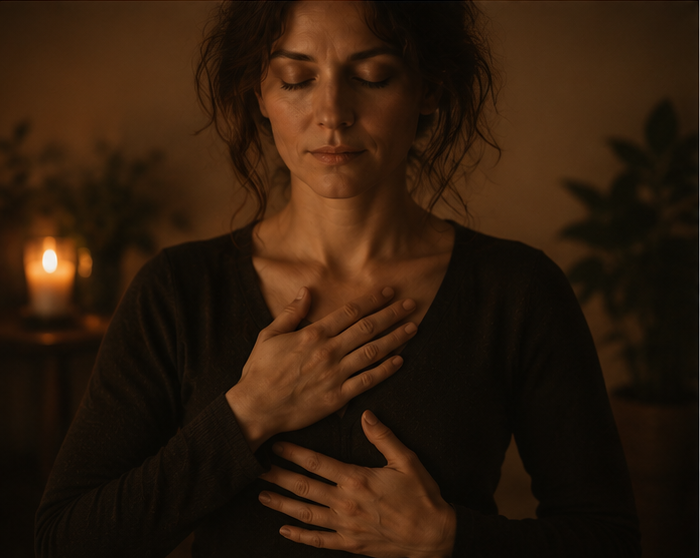
Place one hand on your chest and one on your ribs. Breathe slowly. Notice what emotion arrives before you name it.
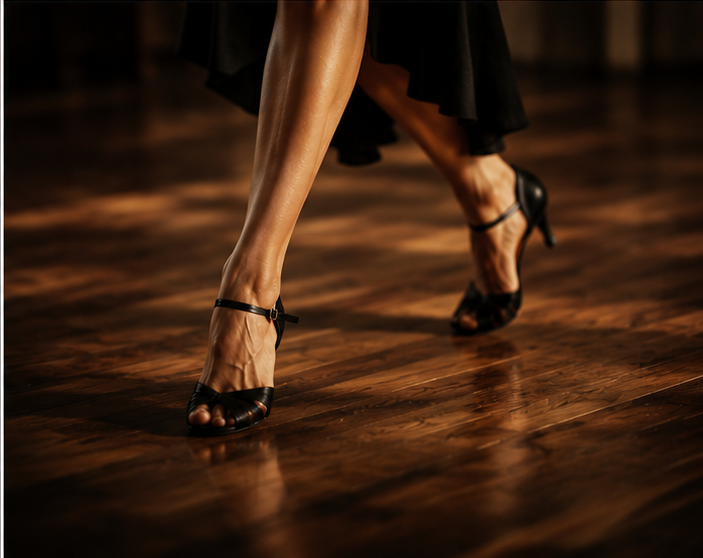
Take small steps. Shift weight from one foot to the other. Let the body move honestly, not elegantly. This is not a show.
Tango teaches that emotion does not always need fixing. Sometimes it needs a room, a rhythm, and permission to move.
Argentina’s gift is not simply tango as performance. It is tango as emotional permission: permission to long, to mourn, to remember, to touch life again without pretending everything is fine.
For the brokenhearted, tango does not say “move on.” It says something gentler: move, even a little, while carrying what happened with dignity.
Explore more global rituals where culture, memory, and healing meet.
View Global Healing Stories →