Argentina — Tango for the Brokenhearted
When a dance becomes the place where people learn to feel again.
There are cities that impress you. And then there are cities that quietly take something from you before returning it transformed. Buenos Aires belongs to the second kind.
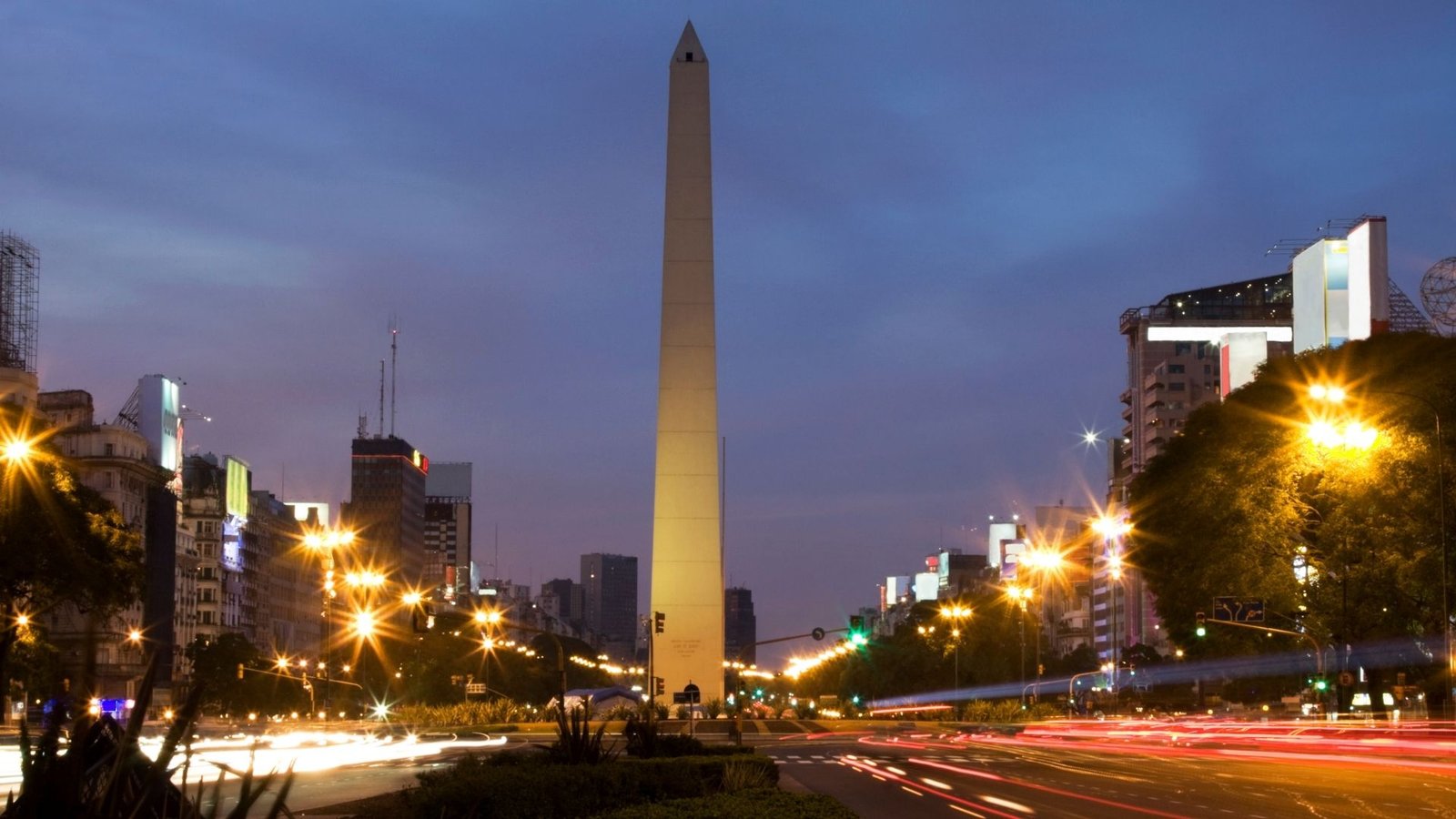
A city where longing still has a place to sit.
Buenos Aires does not reveal itself quickly. It lets people notice smaller things first: the faded balconies, old cafés glowing softly at midnight, polished shoes, cigarettes burning slowly beneath rain-dark windows, newspapers folded beneath tired arms.
There is something unusually human about this city. It does not rush to hide emotion. It allows melancholy to remain visible.
Then, somewhere close to midnight, music begins escaping through an open doorway. A violin sighs. A piano answers. Heels strike old wooden floors with startling precision.
And suddenly, inside a dim room filled with amber light and unfinished stories, two strangers begin to dance as though their lives depend on it.
“Tango was born not from confidence, but from emotional displacement.”
Argentina · Identity as Healing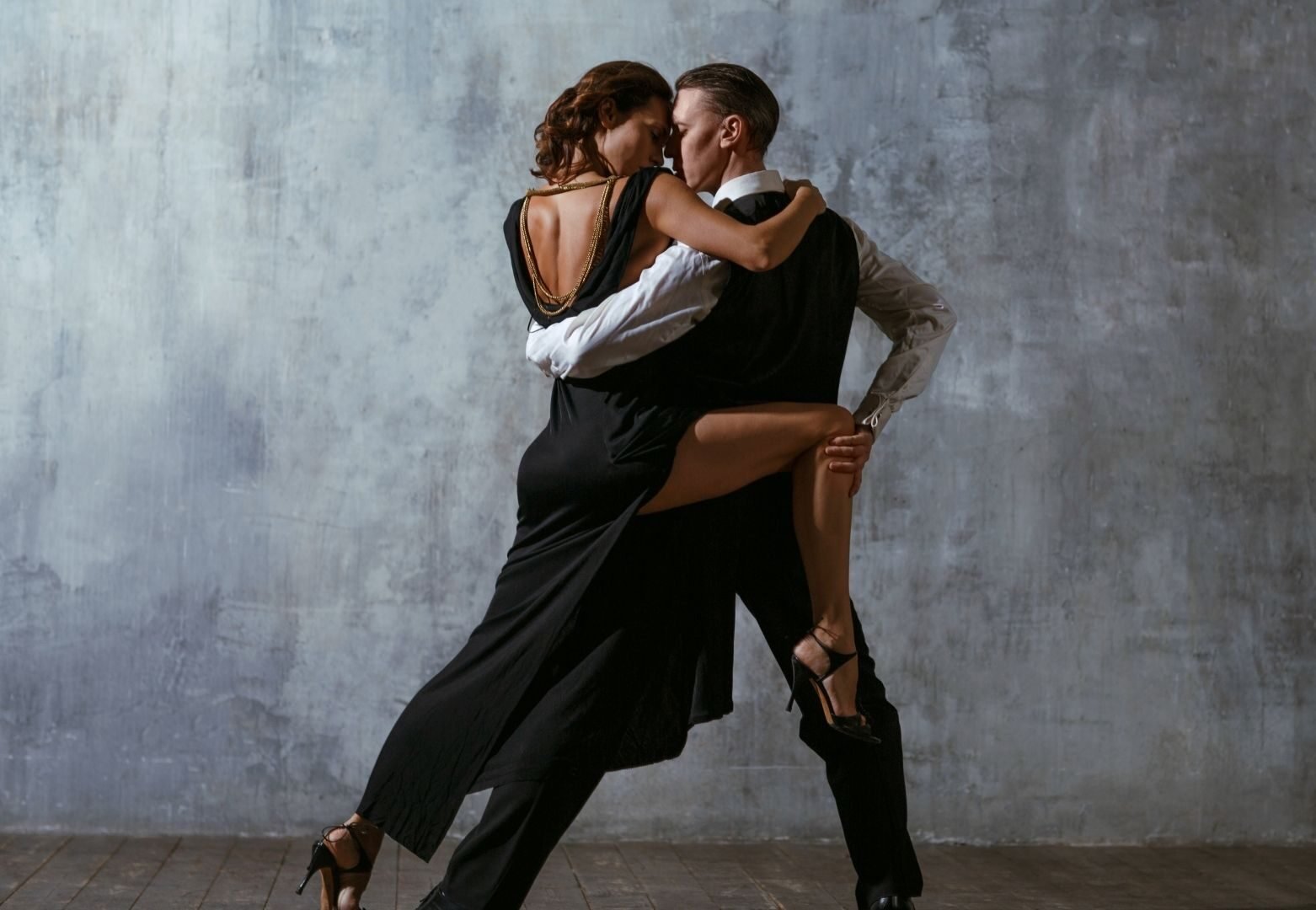
Tango was never meant to look perfect.
Most outsiders misunderstand tango. They see seduction. Performance. Romance designed for tourists.
Argentina remembers something else entirely.
Tango was born in the late nineteenth century from immigrants, sailors, laborers, widows, displaced gauchos, African communities, and wanderers arriving at the port of Buenos Aires carrying fractured identities.
Nobody fully belonged anymore. Nobody sounded entirely like home. The city itself became emotionally mixed — part Europe, part Latin America, part memory, part survival.
Tango emerged from this uncertainty. A language built from longing itself.
For three minutes, the world asks nothing from you except presence.
The brokenhearted understand tango fastest.
There is a moment inside a real milonga — a traditional tango hall — that photographs rarely capture.
The room softens. The outside world dissolves. Phones disappear. People stop performing versions of themselves.
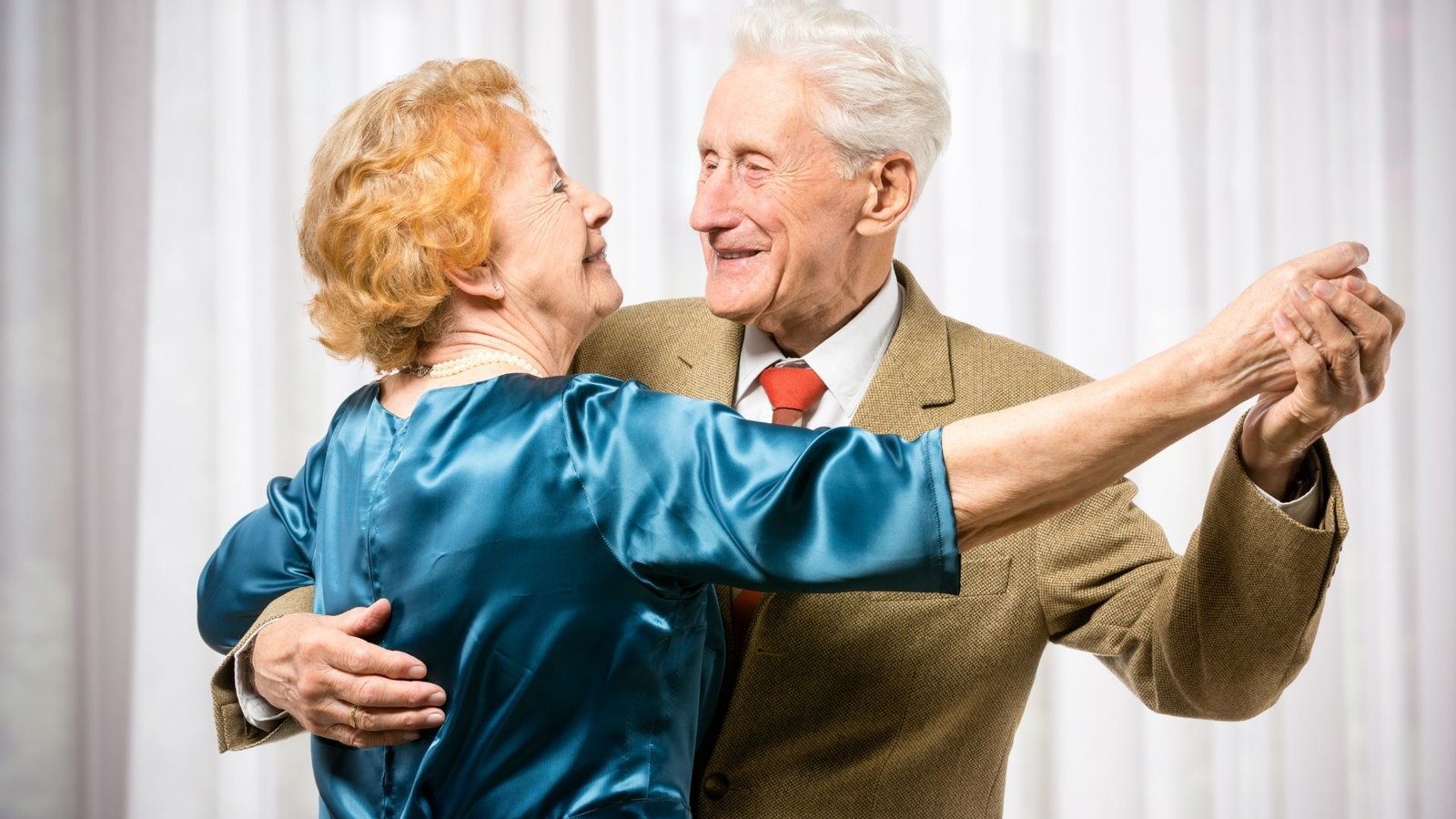
A retired accountant dances with a young architect. A widow closes her eyes. A traveler forgets, briefly, the exhausting need to impress anyone.
Nobody asks what you do for work. Nobody asks how successful you are. Nobody asks whether your life looks beautiful online.
For three minutes, identity becomes movement.
And strangely, that is enough.
Psychologists in Argentina have long spoken about tango’s effect on loneliness, grief, aging, and emotional recovery. Elderly communities dance to reconnect with memory. Trauma survivors use rhythm to regain awareness of the body. People recovering from heartbreak often arrive unable to explain why they came — only that something inside them feels frozen.
Tango begins melting it slowly.
Not dramatically. Not magically. But honestly.
Argentina understands sadness differently.
Many cultures treat sadness as something embarrassing, something to hide quickly behind productivity, positivity, or distraction.
Argentina carries sadness differently. Not as weakness, but as emotional texture.
Its cafés, literature, music, poetry, and conversations all seem to carry a quiet understanding: life is simultaneously beautiful and heartbreaking, and pretending otherwise is emotionally immature.
Tango inherits this philosophy completely.
It does not ask people to become cheerful. It asks them to remain emotionally awake.

To move again is to admit you are still becoming.
Modern life asks people to define themselves quickly: profession, age, relationship status, success, productivity, usefulness.
Tango loosens those labels.
Inside the dance, identity becomes fluid. You are no longer only the person who was left, or the person who had to leave.
You become breath. Listening. Hesitation. Trust. Weight shifting softly through music.
Perhaps this is why people leave Buenos Aires changed. Not because they learned choreography, but because somewhere between the violin and the silence, they remembered that healing does not always arrive through words.
Sometimes healing arrives through movement, before language can explain it.
Argentina exports wine, football legends, poetry, mountains, and unforgettable late-night cafés.
But perhaps its greatest export is emotional permission: permission to feel longing without shame, to move slowly, to mourn honestly, and to remain tender in a world increasingly rewarding numbness.
Tango is not merely dance. It is emotional literacy disguised as movement.
Continue the journey
Explore more global healing stories where culture, silence, memory, and emotional restoration meet.