Now, most mornings begin with a screen. Before the feet touch the floor, the mind is already elsewhere — inside messages, headlines, numbers, other people’s urgency.
The day does not open. It attacks.
We have not only lost time. We have lost thresholds.
Rituals were never merely decorative. They were emotional architecture. They gave shape to the invisible passages of being alive: waking, eating, leaving, returning, grieving, loving, aging, beginning again.
They helped the nervous system understand what the mind could not always explain.
A ritual says: something is happening here. Pay attention.
The ritual of walking without purpose.
Modern life loves walking when it can be counted: steps, calories, pace, distance, heart rate.
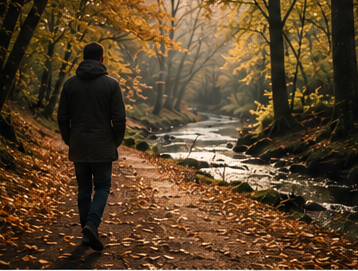
But humans also need the older kind of walking — walking without measurement, without destination, without performance. The walk that lets thought untangle itself.
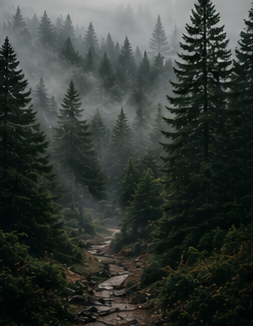
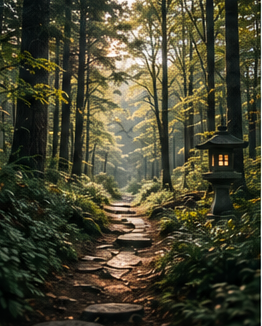
The walk after an argument. The walk before a decision. The walk through a city at dusk. The walk through trees when language has become too heavy.
Sometimes the soul does not need advice. It needs movement through air.
The ritual of marking endings.
We are terrible at endings now. We leave jobs with automated emails. Relationships dissolve through silence. Homes are abandoned without farewell. Seasons pass unnoticed.
But endings that are not marked remain unfinished inside us.
Humans need gestures that say: this mattered, and now it is changing.
The ritual of grieving publicly.
One of the cruelest myths of modern life is that grief should be private, tidy, and brief.
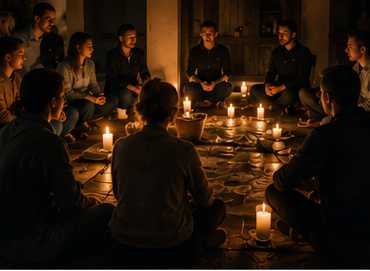
But grief has always needed witnesses.
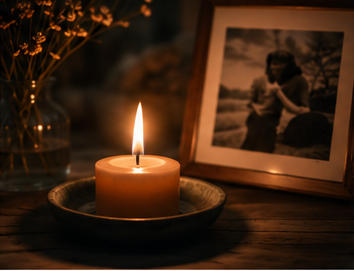
Funerals, mourning clothes, communal meals, songs, remembrance days — these were not only customs. They were ways of telling the grieving person: you are not expected to carry this alone.
A society that does not know how to mourn will eventually forget how to love without fear.
The ritual of night.
Night used to arrive. Now it is often postponed.
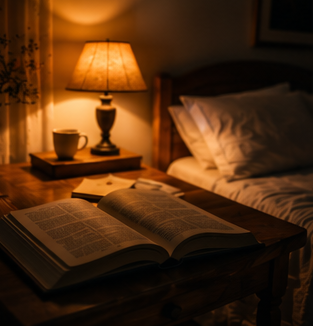
Blue light stretches the day beyond its natural edge. Work enters bedrooms. News enters dreams. The mind remains open for business long after the body has asked for mercy.
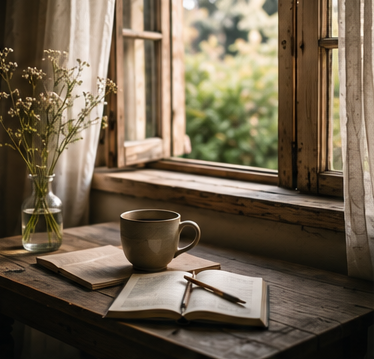
We need evening rituals again: dimmer light, a closing of the kitchen, a bath, a book, a lamp instead of overhead brightness, a final cup of tea.
The ritual of blessing the ordinary.
Perhaps the greatest ritual humans need back is the ability to bless ordinary life.
Not religiously, necessarily. Not formally. But attentively.
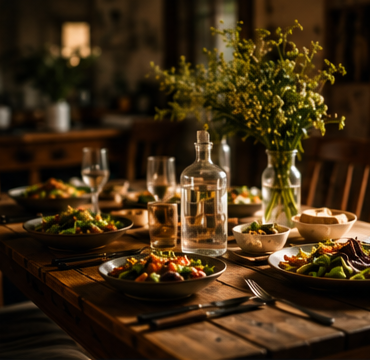
The first sip of coffee. The clean sheet. The safe arrival. The rain after heat. The friend who came. The child asleep. The body that carried us through another day.
Modern life trains the eye to notice what is missing. Ritual trains the eye to notice what remains.
And what remains is often enough to save us from despair.