Breath Before Meditation
This is not heavy breathwork. This is not performance breathing. This is the soft art of arriving through the breath before meditation begins.
Before the mind becomes still, the breath usually arrives first.
The breath is always here, but most of us meet it only when life becomes too loud. Before meditation, breath becomes a quiet bridge: from thinking into sensing, from tension into presence, from “I must control everything” into “perhaps I can soften for one moment.”
Choose a Breath
Begin with the breath your body can accept today. Never force. Never compete. Never turn oxygen into homework.
Arriving Breath
One natural inhale, one soft exhale. Simply noticing that you are here.
Sighing Breath
A gentle inhale through the nose, a long relaxed sigh through the mouth.
Longer Exhale
Inhale softly. Exhale slightly longer. Let the body hear the message of safety.
Hand on Heart
One hand on chest, one on belly. Breathe as if speaking kindly to yourself.
Box Breath
Inhale, hold, exhale, hold — gentle and equal, never strained.
Sleep Breath
Long, soft exhales with no ambition except letting the night come closer.
Office Breath
Three quiet breaths before replying, reacting, or joining another meeting of destiny.
Walking Breath
Two steps inhale. Three steps exhale. Let movement become prayer.
Do not improve the breath. Meet it.
Many people begin by trying to breathe “correctly.” The breath immediately becomes nervous because now it has a manager.
Start by noticing. Air enters. Air leaves. The body is still here, quietly doing its ancient work.
Before changing the breath, let the breath feel welcomed.
Lengthen the exhale, soften the alarm.
When anxiety rises, the body often breathes as if danger is near. A slightly longer exhale can help signal that the moment may be safer than the alarm suggests.
Try inhaling gently for four, exhaling slowly for six. If counting feels stressful, forget the numbers and simply make the out-breath softer and longer.
You are not the alarm. You are the one who can hear it.
The breath stops negotiating with the night.
Sleep breath should never feel like a technique with a clipboard. It is closer to lowering the lamps inside the body.
Let each exhale be heavier than the inhale. Jaw soft. Shoulders soft. Belly allowed to move. No spiritual gymnastics after 11 p.m.
The night comes more easily when the body stops guarding the door.
One breath before the next reaction.
The office breath is small and almost invisible. That is its genius.
Before a call, before a reply, before opening the next dramatic email, take one full breath and let your body arrive before your personality does something expensive.
A single breath can save an entire afternoon from becoming theatre.
Let the breath find your feet.
Walking breath is for restless bodies and crowded minds. You do not need to sit first. Step, breathe, notice, return.
Try two steps while inhaling, three steps while exhaling. Let the rhythm become less mechanical and more like walking beside yourself.
Some breath practices do not sit. They walk you home.
Let sound carry the breath.
Some visitors need music, rain, bells, flute or bowls to soften into breathing. Sound can prevent silence from feeling too sharp.
In Healnest, Breath Before Meditation can gently connect with Sound Within so visitors can breathe with a calm soundscape.
Sometimes the breath needs a companion.
Use the Healnest Breath Guide
Your Breath Application can become the practical companion to this page. Visitors can gently adjust inhale, exhale and hold time depending on their comfort. The idea is not to chase advanced breathing. The idea is to let the breath become personal, safe and kind.
Open Breathing Guide
Continue the Journey
After breath, enter practice, sound, tea or the art of sitting.
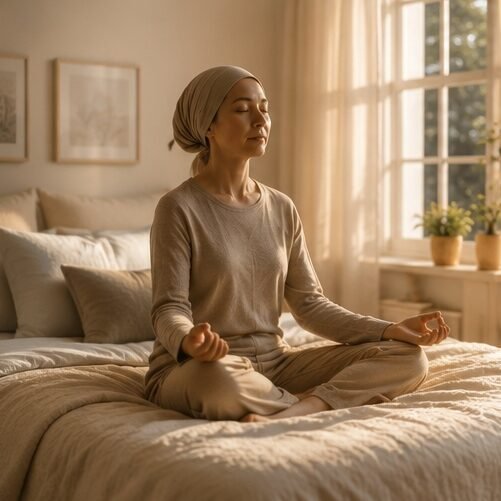 Practice
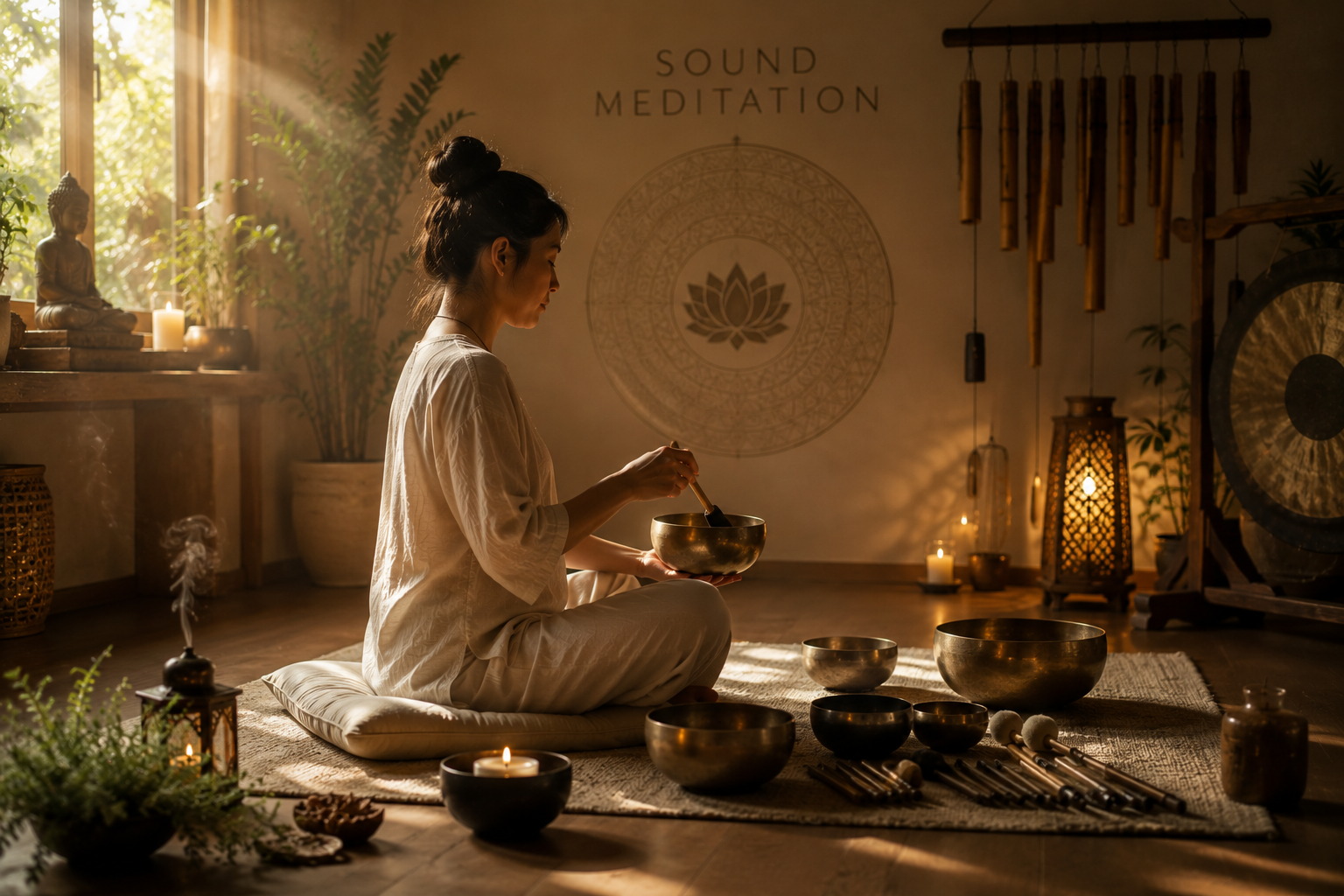 Listen
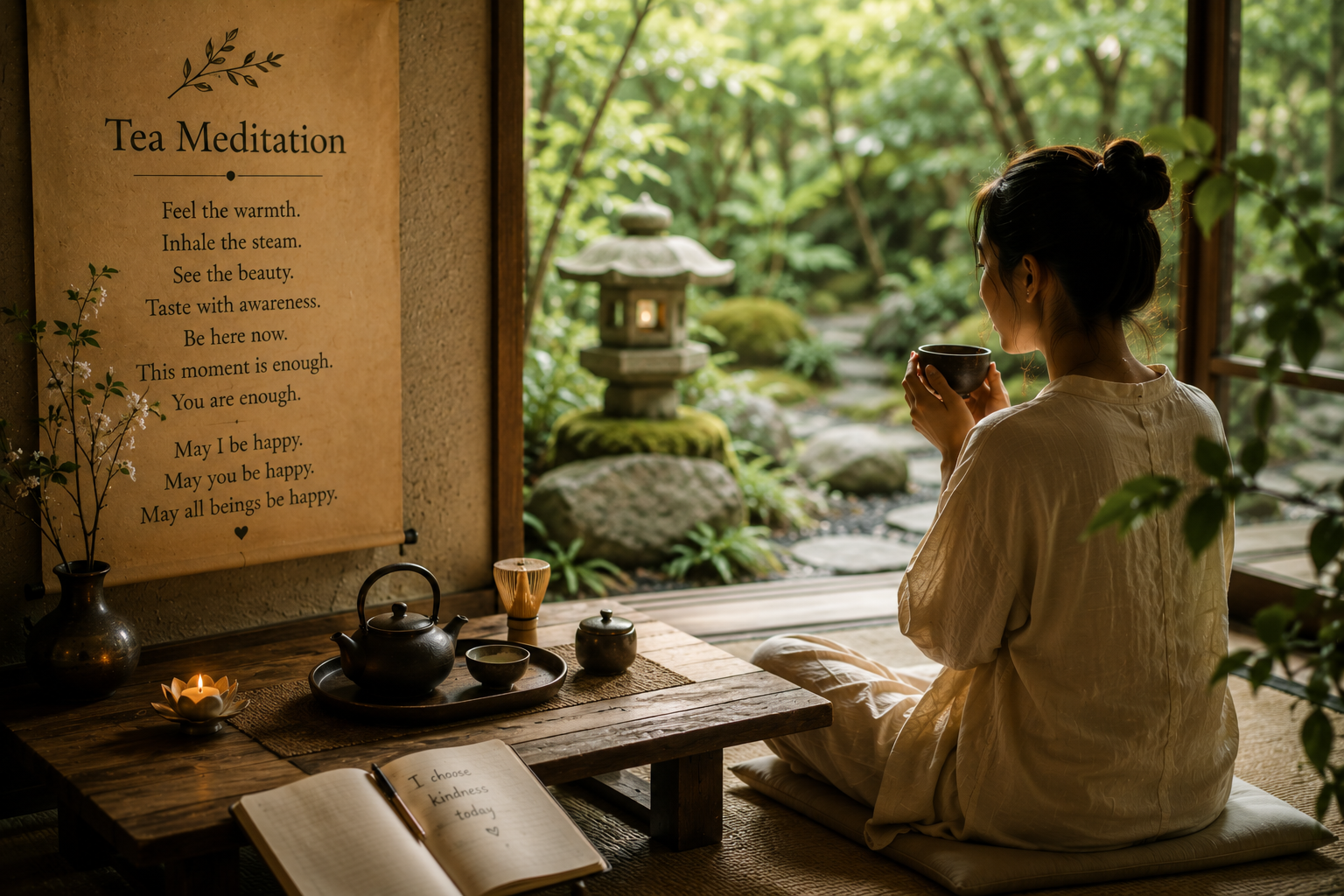 Soften
 Prepare