Tea Meditation
Tea Meditation is not just drinking tea slowly. It is the meeting point of meditation, breathing, yoga preparation, sound, remedies, journal reflection and one small act of human warmth.
A cup of tea is meditation disguised as ordinary life.
You do not need a perfect cushion, a silent mountain, or a personality that has stopped arguing with itself. You need a cup, a breath, a small pause, and the willingness to let warmth arrive before thought does.
The Healnest Tea Ritual Map
This page connects tea with the whole Meditation Sanctuary — breath, yoga, sound, remedies, journal and Lantern Room.
Breath
One soft inhale with the steam. One longer exhale before the first sip.
Body
Gentle shoulders, relaxed jaw, hands holding warmth.
Tea
A real cup. Green tea, chamomile, tulsi, ginger, matcha or any gentle tea.
Sound
Rain, forest, bamboo flute, temple bell, soft piano or silence.
Remedy
Tea can become a quiet remedy when chosen with care.
Journal
After the cup, write one honest sentence.
Lantern
End by offering warmth to someone else.
Return
Carry the calm into ordinary life.
The first sip begins before the cup touches the mouth.
Before drinking, pause. Let the steam rise. Take one gentle inhale through the nose and one longer exhale through the mouth.
This links Tea Meditation directly with Breath Before Meditation. The breath prepares the nervous system; the tea gives it warmth.
Breath opens the door. Tea walks in quietly.Go to Breath Before Meditation
The body should be invited too.
A tight neck, clenched jaw, raised shoulders and folded chest can turn tea into another rushed task.
Before tea meditation, try three slow shoulder rolls, soften the face, lengthen the spine, and place both feet on the ground. This is not yoga performance. It is hospitality for the body.
The cup is held better by a body that has been welcomed.Open Yoga Sanctuary
Drink with the whole self.
Notice color. Notice steam. Notice warmth in the hands. Notice the tiny sound of cup meeting table. Take one small sip.
Most people drink tea while mentally living somewhere else. Tea Meditation asks the visitor to come home for one cup.
Tea is not slow. We are usually too fast to meet it.
Tea Sound Companion
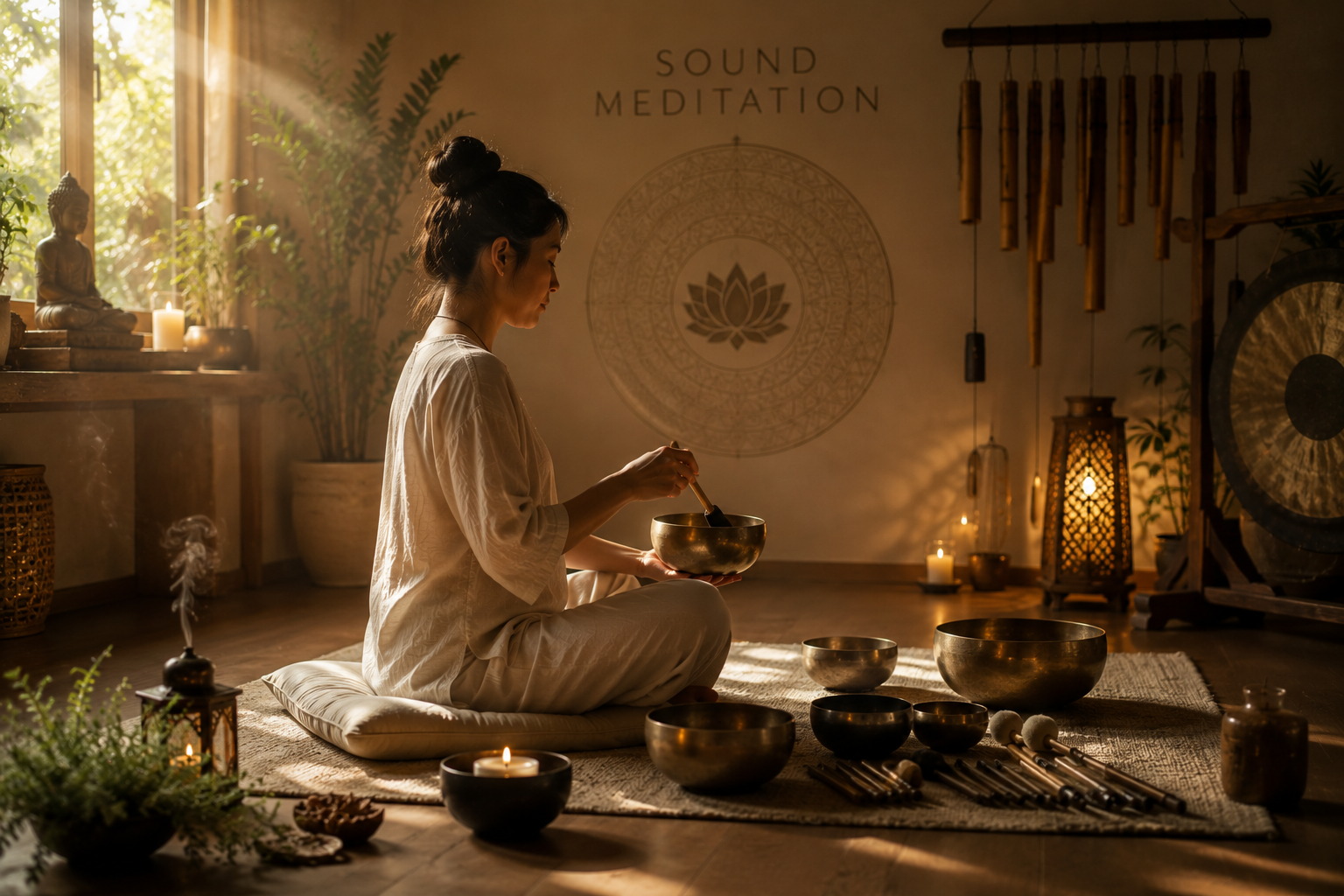
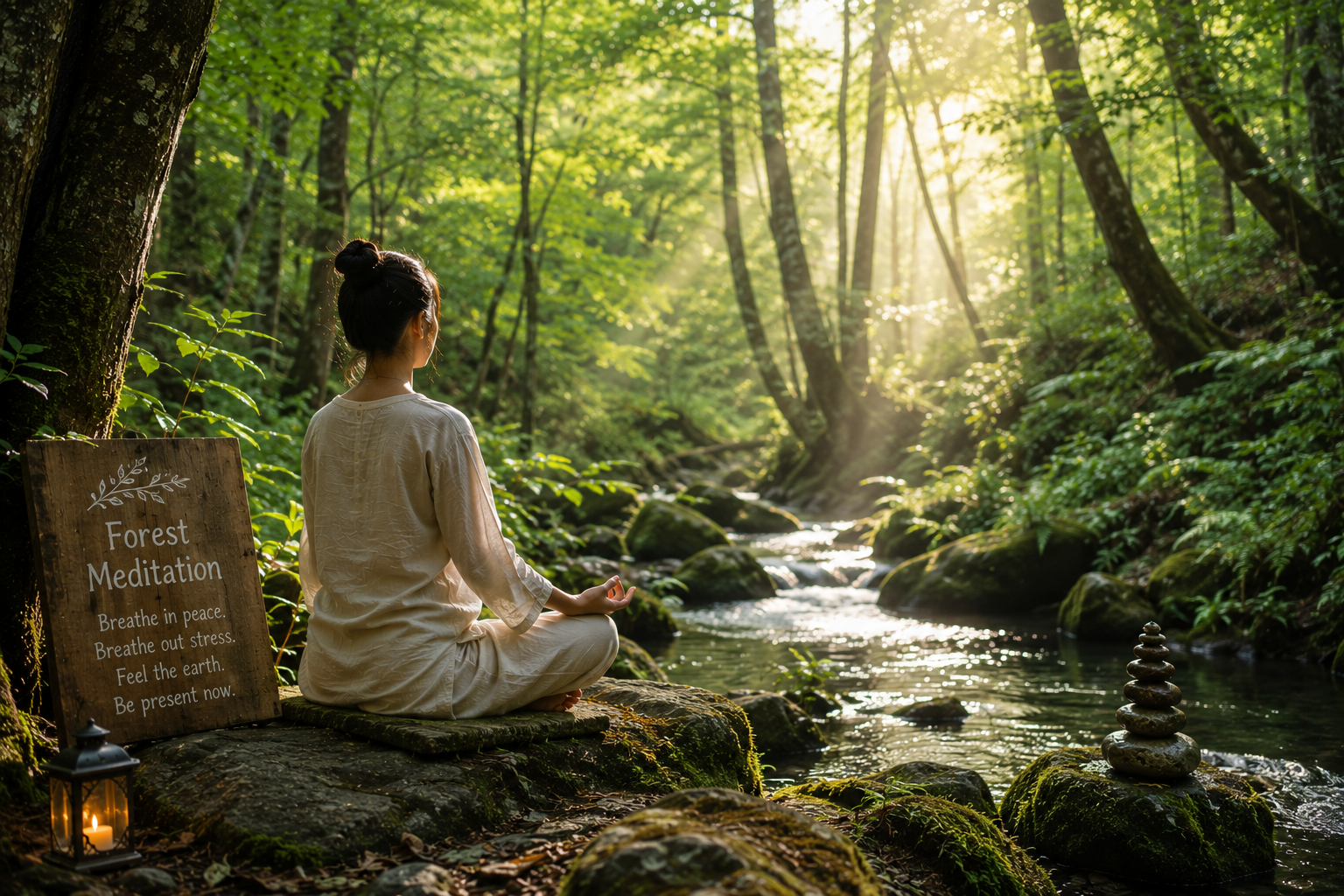
Choose a soundscape for your cup. Later, these can connect directly to your Healnest Sound Within tracks.
Famous Teas for Meditation
Each tea creates a different doorway. This connects naturally with Quiet Remedies.
Green Tea
Clear, earthy, light. Good for morning attention and mindful sipping.
Chamomile
Soft, floral, gentle. A classic cup for rest and emotional unwinding.
Tulsi
Holy basil. Warm, grounding, often used as a soothing herbal ritual.
Ginger Tea
Spicy, bright, comforting. Beautiful for cold evenings and body warmth.
Peppermint
Clean and cooling. Helpful when the mind feels heavy or dull.
Matcha
Focused, ceremonial, vivid. A cup that asks for full attention.
Lemon Balm
Gentle herbal calm for the evening nervous system.
Masala Chai
Spice, milk, memory and warmth. Meditation with family in the cup.
Tea became a complete philosophy of attention.
The Japanese tea ceremony teaches that beauty lives in deliberate gestures: preparing, serving, receiving, bowing, cleaning, pausing.
This deserves its own Quiet Journal article later — not as tourism, but as a reflection on how a small ritual can protect the soul from the speed of the world.
A cup can become a room. A room can become a teaching.Read Tea Reflections
Some teas are small acts of care.
Chamomile, ginger, tulsi, peppermint, lemon balm, turmeric milk and gentle herbal blends can become part of the body’s evening language.
This connection makes Tea Meditation practical: a ritual that feels beautiful, healing, cultural and deeply human.
Care does not always arrive loudly. Sometimes it steeps.Go to Quiet Remedies
The Complete One Cup Ritual
A Healnest signature ritual connecting breath, body, tea, sound, journal and lantern.
What did today’s cup reveal?
After tea meditation, write one honest sentence. Not a poem. Not a performance. Just the truth of the cup.
“I was tired.” “The rain helped.” “I missed home.” “I did not rush.” “The warmth was enough.”
A cup ends. The attention can continue.Open Meditation Journal
Let your cup become warmth for someone else.
After drinking tea, light a quiet lantern for someone who may need comfort tonight.
No comments. No likes. No performance. Just one small act of shared warmth.
When your cup is warm, let the heart remember someone cold.Light a Lantern
Connected Healnest Rooms
Tea Meditation is not alone. It belongs to the whole sanctuary.
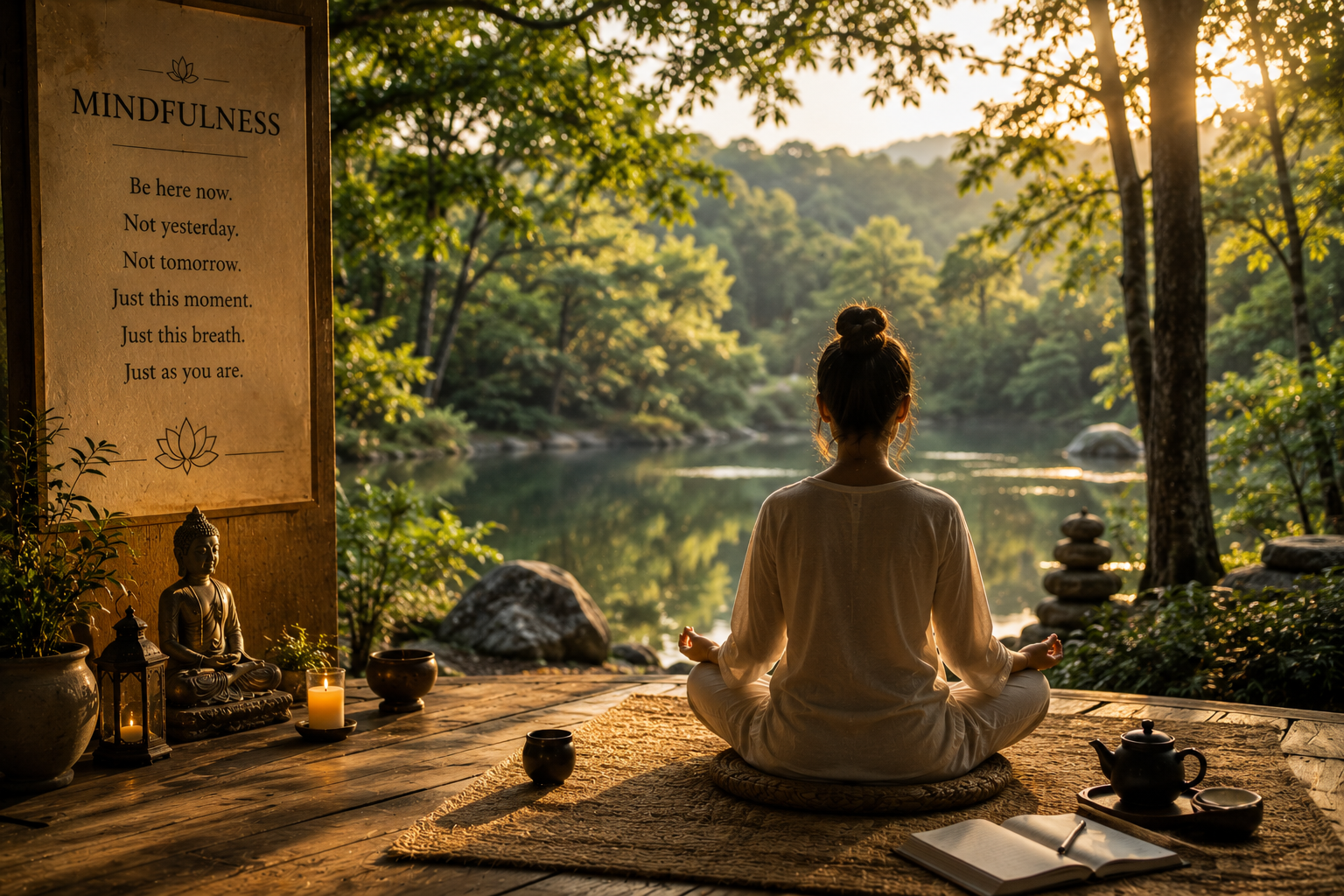 Breathe
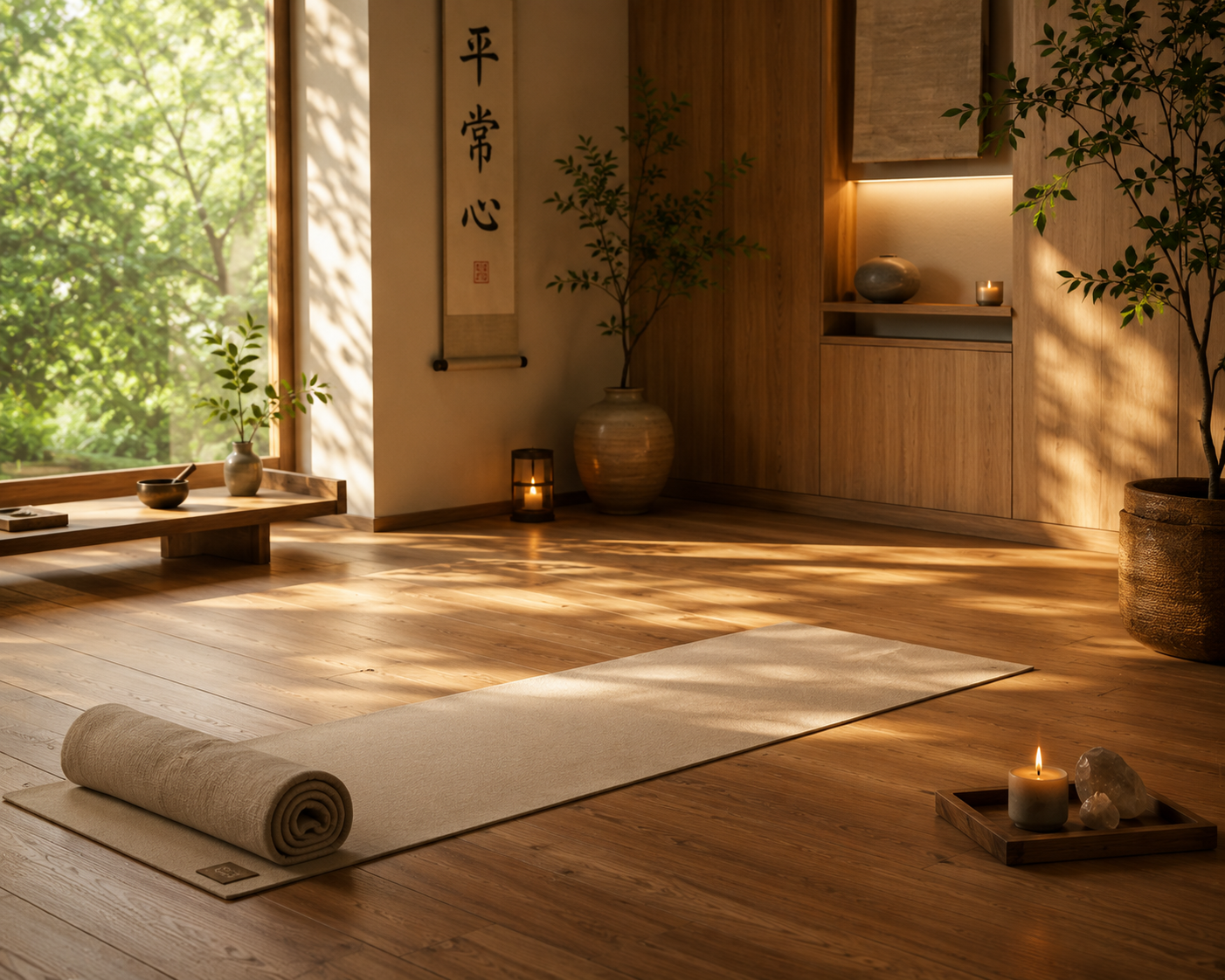 Prepare
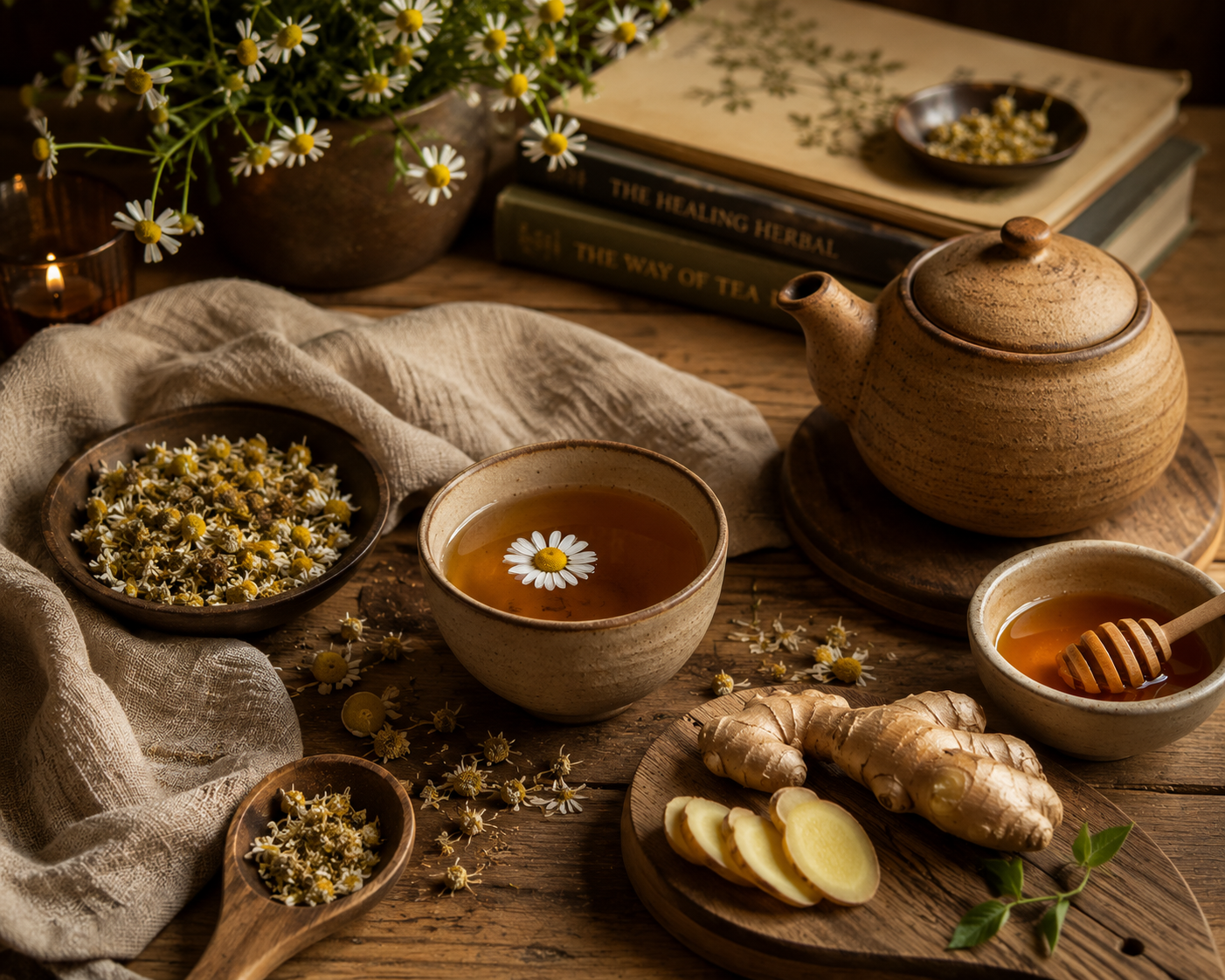 Care
Care