Tea and Stillness — Where Pause Becomes Presence
Global Healing Stories · Tea Rituals · Quiet Presence

Tea and Stillness —
Where Pause Becomes Presence

There are moments in life that do not ask to be solved. They ask only to be held. In the quiet ritual of tea, hands slow down, breath returns, and what once felt scattered begins, very gently, to gather again.

Editorial Story Page Ritual · Reflection · Stillness Approx. 8–10 min read
A quiet beginning

Not every form of healing arrives with instruction. Some enter the room as warmth.

Tea has long been more than a drink. Across homes, inns, temples, and quiet corners of the world, it has served as an invitation to return to oneself. Not through force. Not through performance. But through repetition, attention, and grace. This story is not about ceremony as spectacle. It is about tea as a soft doorway — into stillness, into noticing, into presence.

“Sometimes the first sign that the heart is resting is simply this: the hands stop rushing.”

Feature Story

The cup that asks nothing, and changes everything

In a world that rewards speed, tea remains quietly disobedient. It does not hurry for our convenience. Water must warm. Leaves must open. Steam must rise. Even the cup itself must be held for a moment before the first sip is taken. The ritual insists, in the gentlest possible way, that we arrive before we receive.

This is perhaps why tea belongs so naturally to the language of healing. It teaches without preaching. It steadies without demanding. It asks for no transformation grand enough to be announced. Only a small willingness to remain. To stand beside the kettle. To hear the soft sound of pouring. To watch a pale surface deepen into gold, or amber, or green. To notice that the body, once tight with momentum, has already begun to soften.

Tea ritual image
Replace this image URL with your actual hero/story visual for the page.

Stillness is not emptiness. It is attention made tender.

Many people misunderstand stillness. They imagine it as absence: no noise, no movement, no feeling. But true stillness is not the removal of life. It is a finer way of meeting it. It is the choice to notice what is already here — the heat in the cup, the weight in the chest, the morning light moving across a wooden table, the small ache that has been waiting to be named.

Tea creates the conditions for this noticing. It gives the restless mind something kind and concrete to follow. The sound of water. The fragrance of leaf. The slow arc of steam. The warmth against the palm. And because the senses are gently occupied, the deeper self begins to emerge without struggle. What was hidden by hurry becomes visible in pause.

“A cup of tea cannot repair the whole world. But for a few quiet minutes, it can return a person to their own center.”

Across cultures, tea has always carried more than flavor

In some places, tea is hospitality. In others, reverence. In others still, companionship for solitude. A grandmother pours it before advice. A host offers it before words. A traveler receives it before trust. A monk prepares it before silence. Though the customs differ, the emotional meaning remains astonishingly close: tea marks a threshold. Before this cup, you were arriving from elsewhere. After it, you are here.

This is why tea belongs beautifully inside a global healing collection. It does not separate the ordinary from the sacred. It joins them. It shows that healing need not begin with a dramatic revelation. It can begin with a kettle, a bowl, a small table, and the decision not to rush your own return.
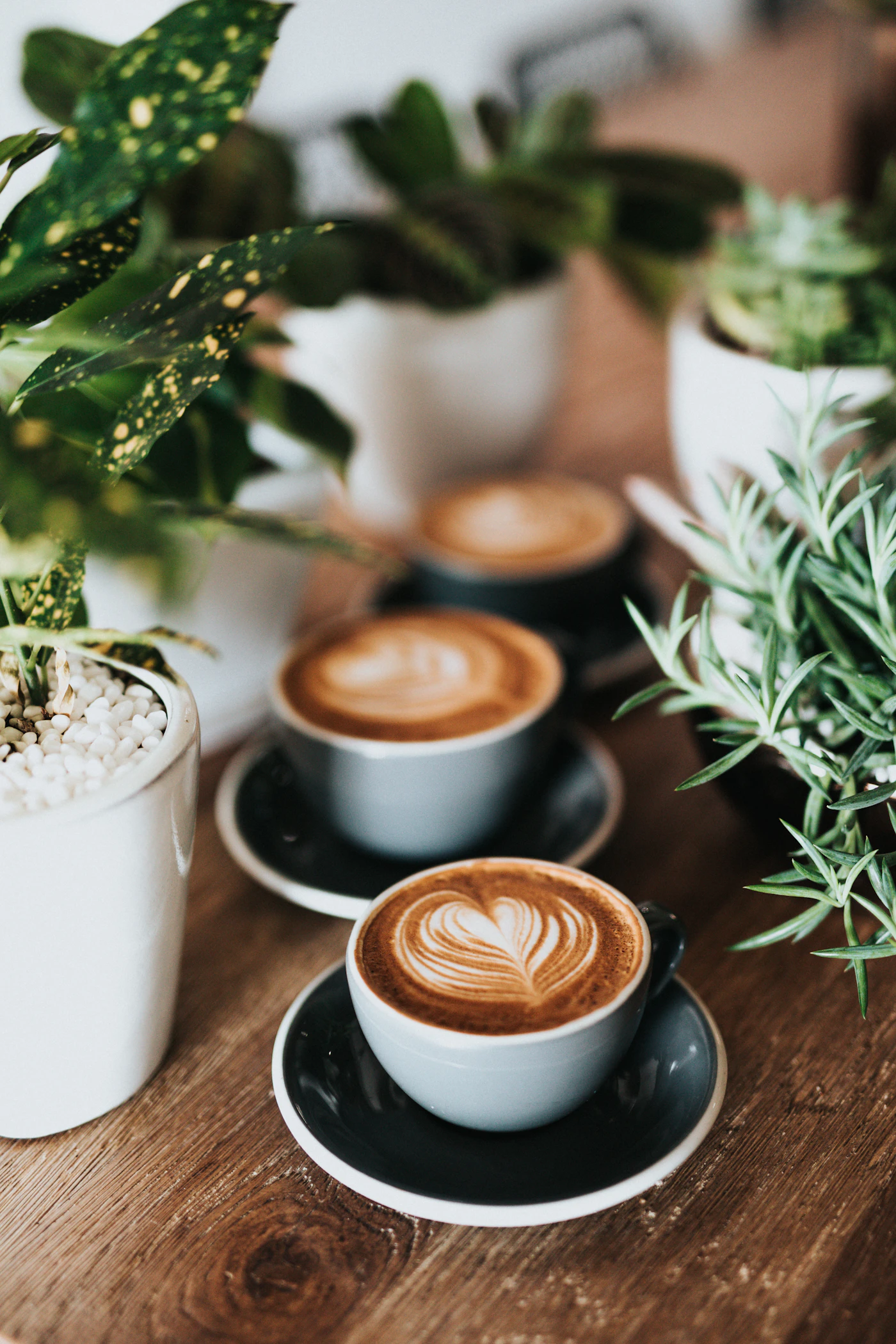
Where pause becomes presence

Presence is often spoken of as though it were a discipline of the mind. But for many, it begins through the body. Through temperature. Through rhythm. Through the hand circling a cup instead of reaching for another distraction. Through one sip taken fully, instead of ten sips taken unconsciously.

In tea, pause becomes presence because the moment is given a shape. There is a beginning. A preparation. A waiting. A receiving. A tasting. A resting. A finishing. These small stages quietly teach us something the modern day often erases: that attention deepens when life is not flattened into speed.

The ritual does not demand that you become wiser, calmer, or more spiritual than you are. It asks only this: can you stay with this one small act long enough to feel that you are inside your own life again?

A simple tea ritual for quiet return

This is not meant as performance. It is meant as companionship. A ritual soft enough for an ordinary day, and meaningful enough to become one of the ways you come back to yourself.

A soft practice

A tea ritual for the days when your inner world feels too loud

You do not need a perfect room, perfect mood, or perfect tea. You only need a few minutes and the willingness to let one small act become a place of return.

01

Prepare without rushing

Boil the water slowly. Choose a cup you genuinely like holding. Let the act of preparation become part of the healing, not something to get past. Notice the sounds around you. Notice your breathing before the tea is even poured.

02

Pour as though arriving

Watch the tea enter the vessel. Watch the color deepen. Hold the cup with both hands if you can. Before drinking, pause. Do not hurry to the first sip. Let warmth become your first conversation.

03

Sip with full attention

Take one slow sip. Then another. Notice taste, temperature, weight, breath, and emotion. There is no need to analyze what you feel. Let the tea accompany you. Presence begins not in understanding everything, but in not leaving the moment.

Deeper reflection

What tea remembers that modern life forgets

Tea remembers slowness. It remembers the dignity of repetition. It remembers that not all valuable things must be optimized. It remembers that the human spirit does not always need more stimulation — sometimes it needs rhythm, texture, warmth, and room.

To sit with tea is to accept a more merciful measure of time. One in which the self is not judged by output. One in which silence is not failure. One in which the body is not merely carrying the day, but participating in it. In this way, tea becomes less an object and more a form of companionship. It stays near. It asks little. It offers enough.

Perhaps this is why so many people return to it during transitions: after loss, during fatigue, in lonely hotel rooms, in early mornings before work, in evenings when conversation has ended, in moments too quiet to name and too human to avoid. Tea cannot answer every sorrow. But it can keep someone company while the sorrow becomes speakable.

“Presence does not always arrive as a revelation. Sometimes it arrives as steam, held briefly in the hands.”

A page meant to linger

This story page is designed not only to be read, but to be inhabited. It can lead into your wider Global Stories library, connect with your home page, and sit beautifully alongside future stories on water rituals, prayer, mountain silence, ancestral remedies, twilight practices, and sacred ordinary moments from around the world.

As your collection grows, this structure can remain the same: a strong image-led opening, reflective editorial storytelling, a gentle ritual section, emotional closure, and a curated path to more stories. That consistency will make the whole section feel premium and intentional.

Closure

And perhaps that is enough for today.

Not a breakthrough. Not an answer. Not a finished version of peace. Only this: a brief return. A warmer breath. A quieter hand. A moment in which you did not abandon yourself.

Tea asks for almost nothing, and yet gives back a room inside the day where life feels gently inhabitable again. When pause becomes presence, even a simple cup can become a threshold.