GLOBAL MEDITATION STORIES · INDIA

River Meditation — India

Where the water remembers you before you remember yourself.

A quiet journey beside India’s sacred rivers — where movement becomes stillness, and the traveller slowly learns to put something down.

EDITOR’S OPENING NOTE

There are places you visit. And then there are places that quietly recognize you.

India’s rivers do not introduce themselves as scenery. They arrive as memory — older than language, softer than advice, and patient enough to wait until the traveller is finally ready to listen.

For the business traveller who has crossed cities, time zones, meetings and expectations, river meditation is not another technique to master. It is a pause beside moving water. A moment where the mind does not need to perform, explain, or improve itself.

Here, on the banks of the Ganga, stillness is not found by becoming motionless. It is found by watching what continues to move — without hurry, without resistance, without asking anything in return.

“The river does not ask you to become calm. It simply shows you how calmness moves.”
THE FIRST ENCOUNTER

Dawn on the Ganges

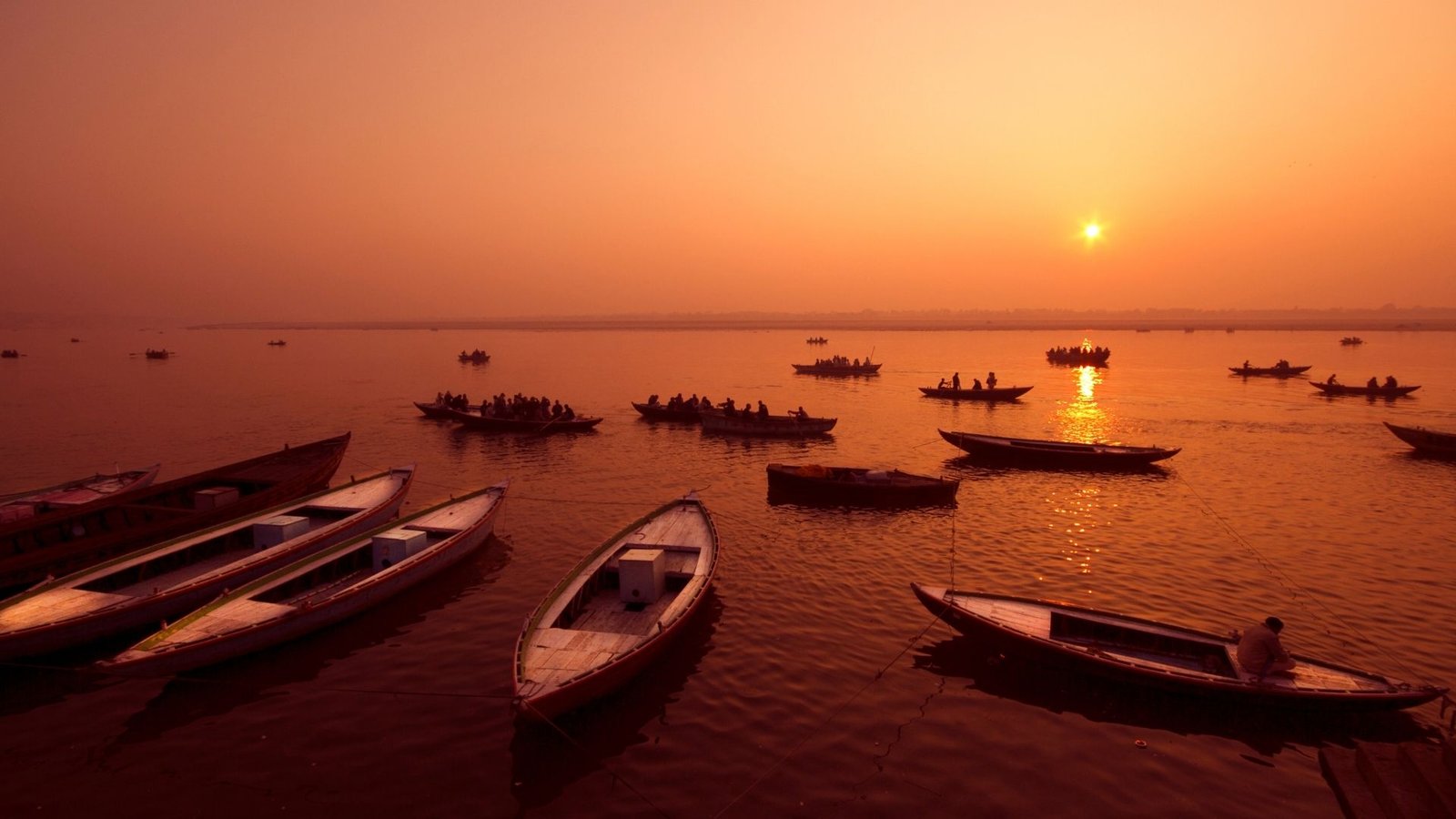
It is just before sunrise. The city has not yet become a city. The river is half-hidden in mist, and for a few quiet minutes, even time seems reluctant to begin.

You sit on worn stone steps, still cool from the night. A boat moves slowly across the water. Somewhere in the distance, a bell rings once — not loudly, but clearly enough to enter the heart before the mind can name it.

At first, your thoughts arrive as they always do. But the river does not argue with them. It simply moves. And slowly, watching that movement, something inside you begins to soften.
Here, meditation does not begin with instruction. It begins with permission.
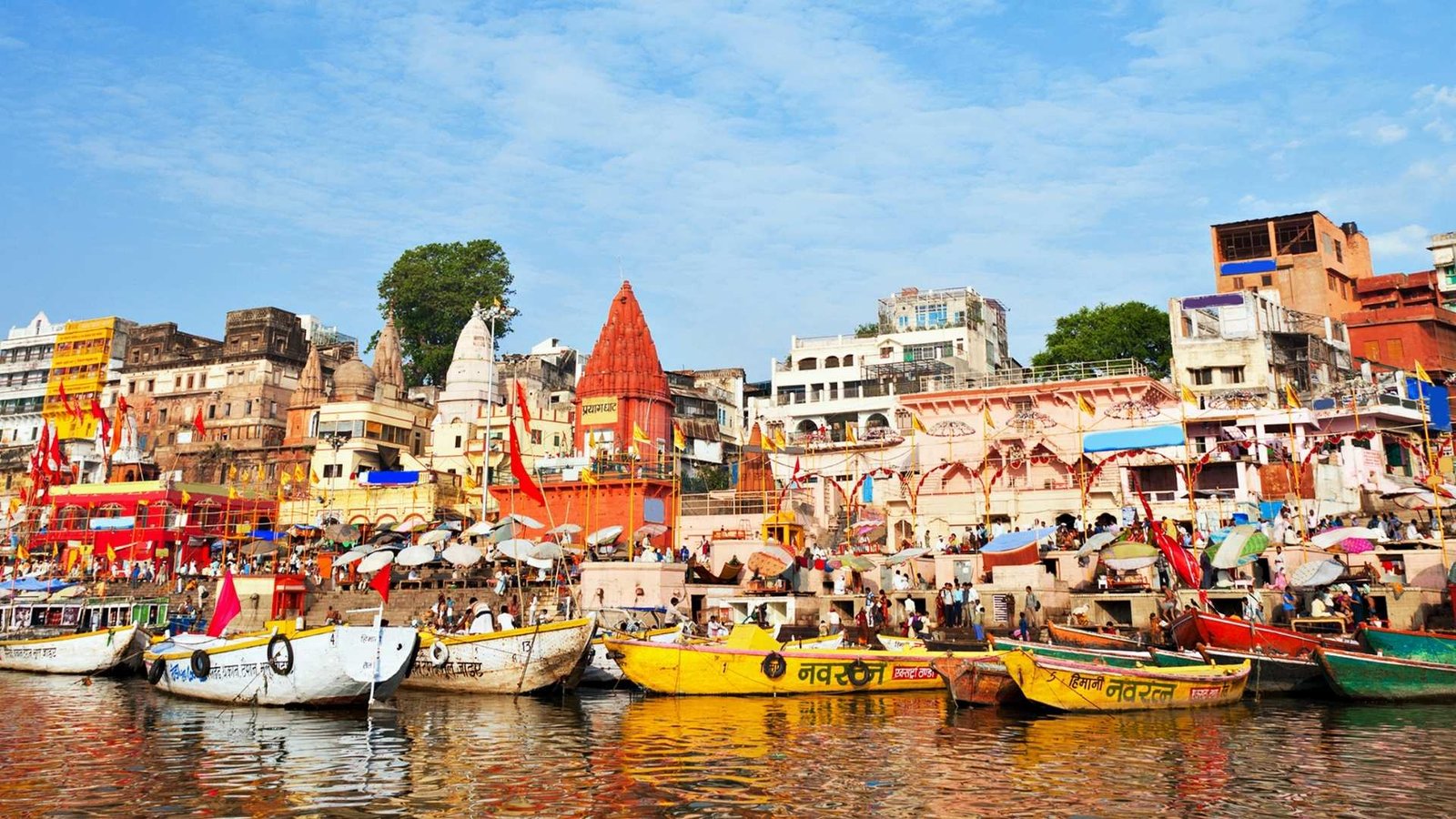
Morning by the river — where silence feels older than the day.
THE RIVER AS A WITNESS

The river does not judge what you bring to it.

In India, a river is more than water. It is a quiet witness — receiving flowers, prayers, silence, sorrow, and morning light with the same patient grace.

01

The River Receives

Thoughts arrive. Memories rise. The river does not ask you to hide them. It allows everything to be seen without hurry.

02

The River Carries

Nothing stays fixed on the surface for long. Leaves, light, worry, breath — all are slowly carried forward.

03

The River Remembers

Long before your journey began, the water was already moving. It reminds you that life continues, even when the heart feels still.

Peaceful river and mountains in the morning
RISHIKESH · HIMALAYAN FOOTHILLS
WHERE THE MOUNTAINS WHISPER

The river becomes clearer here.

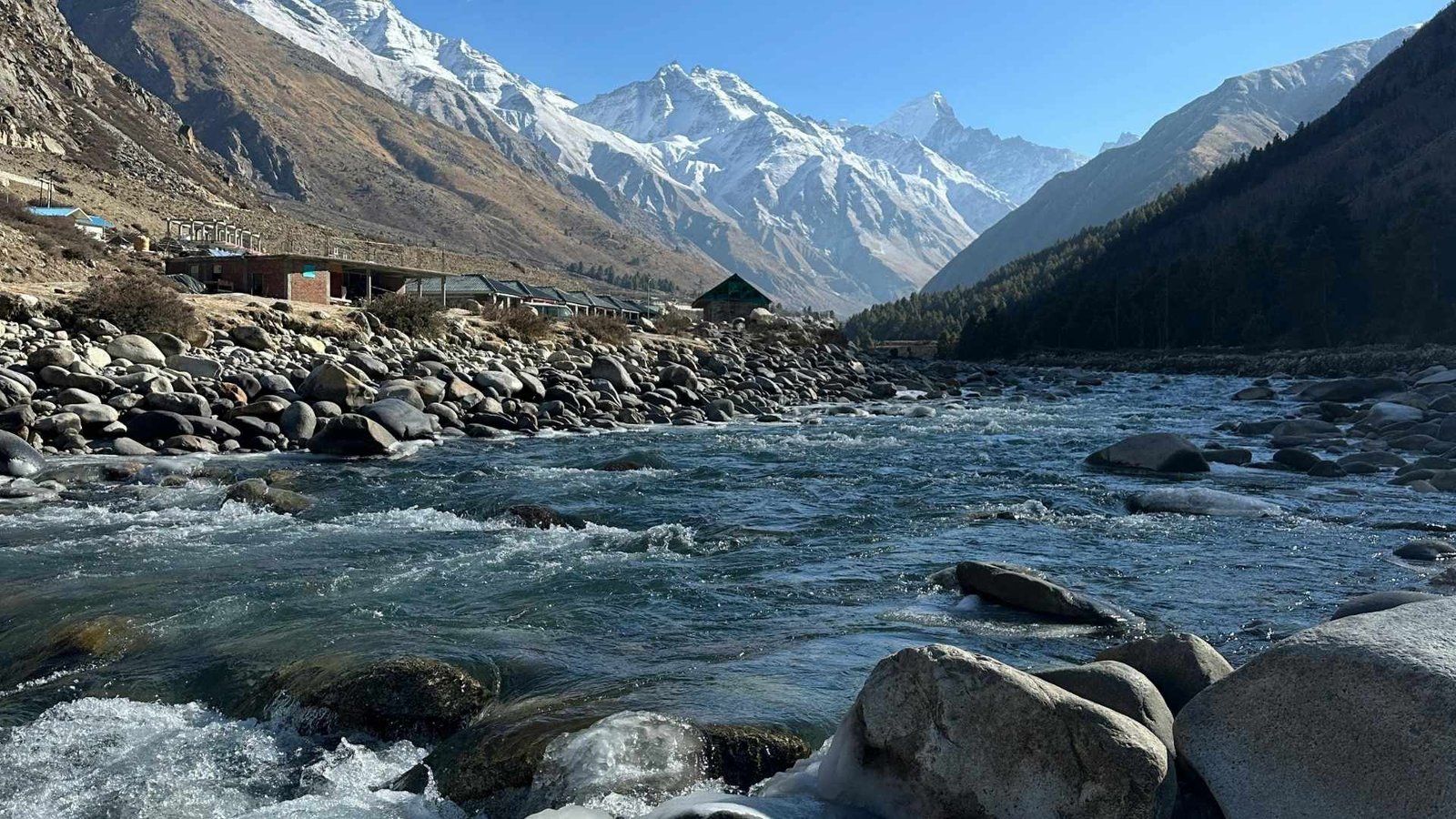
Further north, where the plains begin to rise into the first breath of the Himalayas, the river changes its voice. In Rishikesh, the Ganga is younger, brighter, and more direct — less like memory, more like guidance.

You sit near the water and listen. The current is stronger here, shaped by stone, mountain, and distance. It does not soothe by becoming silent. It soothes by being honest. It moves, and something within you remembers how to move too.

In Varanasi, the river teaches surrender. In Rishikesh, it teaches alignment.
THE PRACTICE

How to sit beside a river

A quiet practice for travellers who carry too much inside. No perfect posture. No forced silence. Only water, breath, and a few minutes of honest stillness.
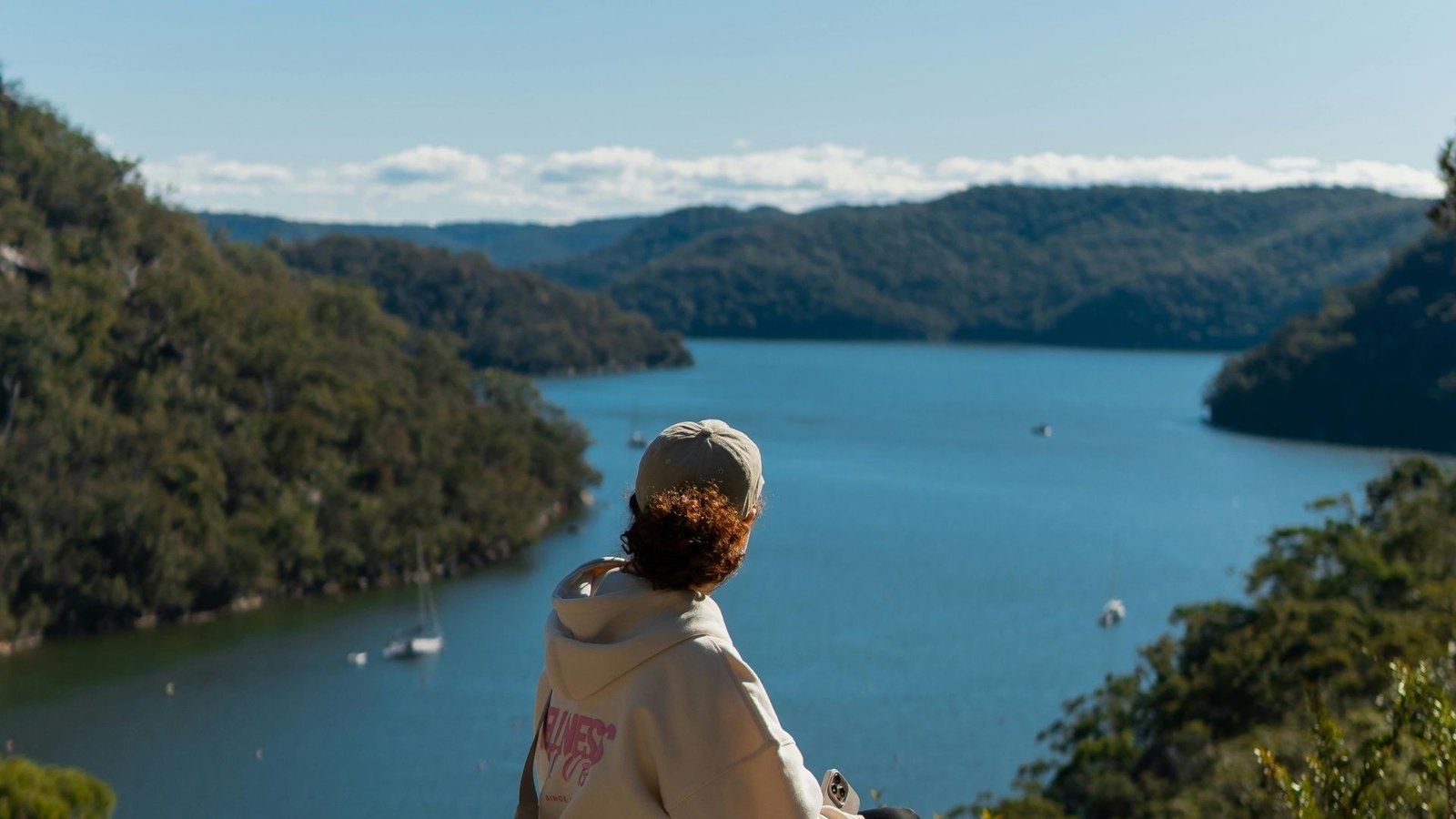
Quiet river meditation beside flowing water
Let the river do what the mind cannot: move gently without resistance.
01

Sit where the water can be heard

Choose a quiet edge. Let the sound arrive before you try to become calm.

02

Rest your eyes on the current

Do not stare. Allow the movement to hold your attention softly.

03

Breathe without correcting yourself

There is no perfect breath here. Let each inhale and exhale come naturally.

04

Let thoughts pass like leaves

When a thought appears, let it float through rather than holding it tightly.

05

Leave one feeling behind

Name one feeling you no longer wish to carry. Offer it quietly to the moving water.

Small lamps floating on river water at evening
THE LETTING GO RITUAL

When the light leaves your hand

As evening softens the river, small lamps begin to float across the water — each one carrying a wish, a prayer, a memory, or a feeling someone is finally ready to release.

You do not give the river your sorrow because it will erase it.
You give it because, for one quiet moment, you no longer have to carry it alone.

The ritual is simple. Hold the lamp gently. Name one thing that has grown too heavy. Then place it on the water and watch it move away — not as an ending, but as a softer way of continuing.
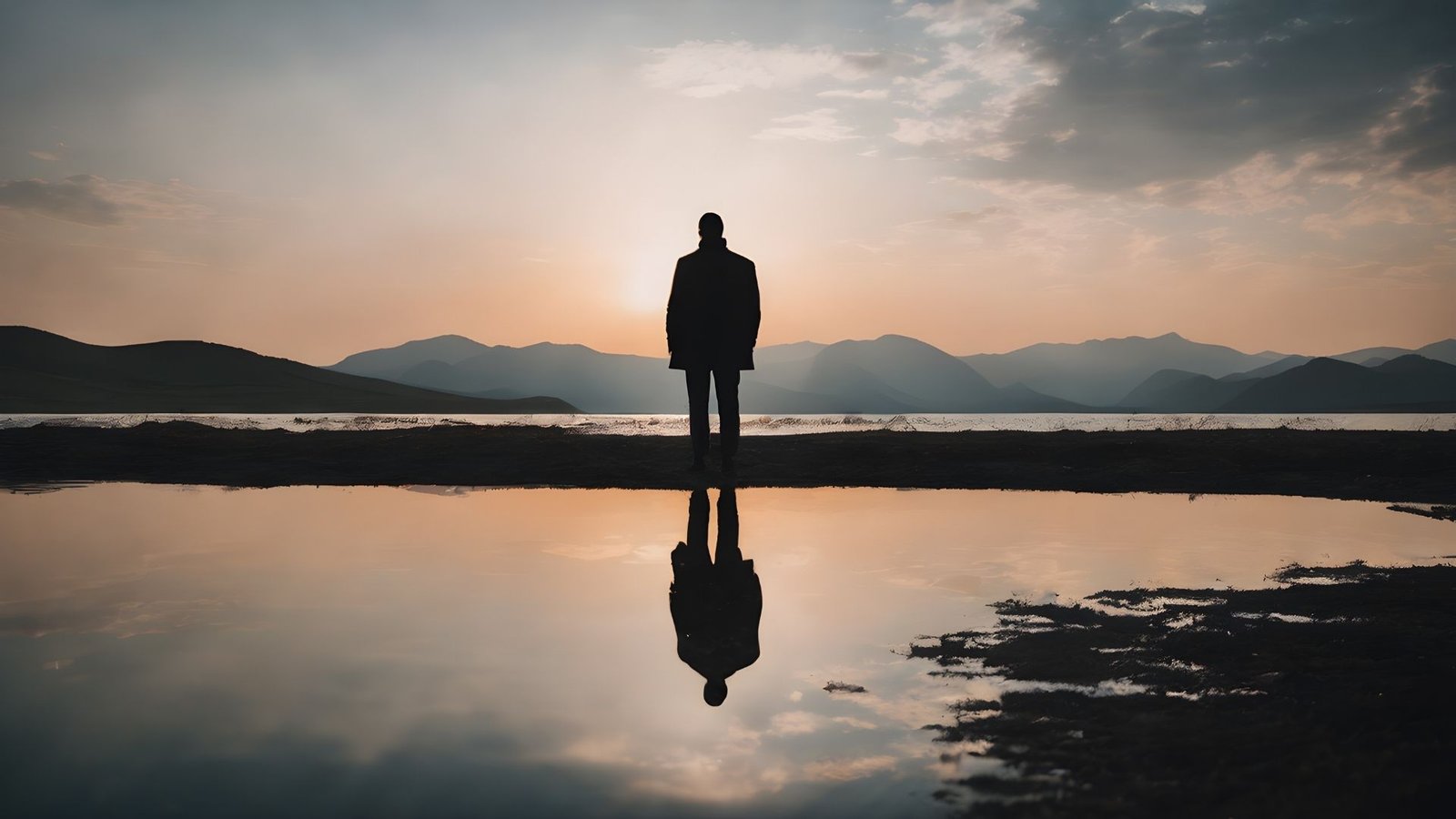
Quiet traveller reflection after river meditation
The journey continues long after the river is out of sight.
WHAT YOU CARRY HOME

The river does not remove responsibility.

It teaches you how to return to it more softly.

Flights resume. Calendars refill. The familiar language of decisions, meetings, and outcomes quietly returns. Yet something within you has changed — not dramatically, but deeply enough to be felt.

You may still carry the same responsibilities. But perhaps you no longer grip them with the same fear. Perhaps you remember the river: how it moved around stone, received what fell into it, and continued without becoming hard.
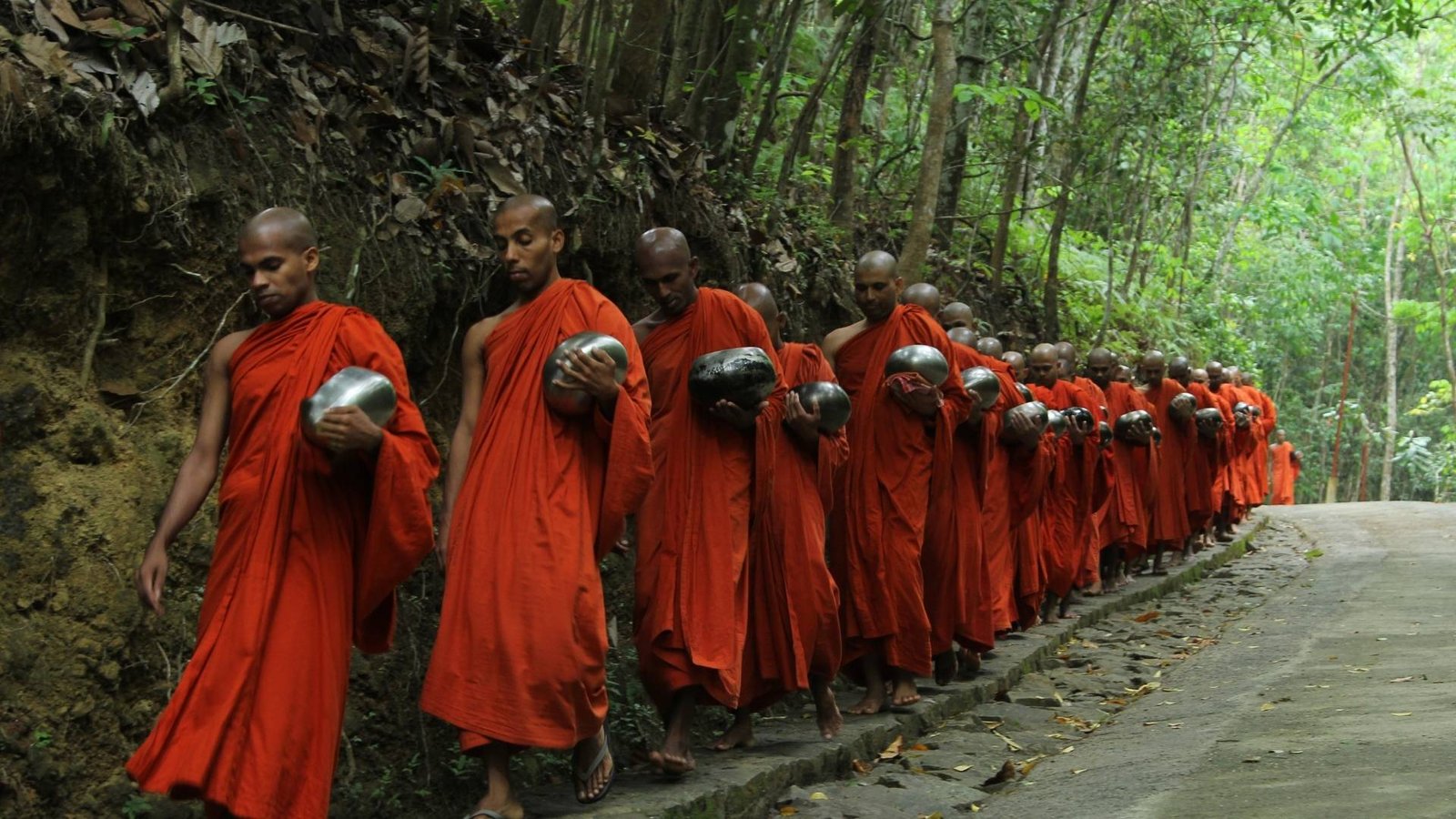

You do not have to move faster to move forward.
A QUIET REFLECTION

Before you leave the river, pause for one honest moment.

These questions are not for perfect answers. They are small doors — opened quietly, only if the heart is ready.

01

What have I been carrying too long?

A worry, a name, a responsibility, or an old version of yourself that no longer needs to travel with you.

02

What can move without my control?

Not everything needs your hands around it. Some things soften when they are allowed to flow.

03

Where in my life do I need more flow?

Between work and rest. Between duty and self. Between holding on and finally letting something move.

You do not need to answer today. Sometimes, the question itself is already a beginning.
THE QUIET CONTINUATION

Nothing here needs to end.

The river was never a place you visited. It was a way of being you briefly remembered.

You may step away from the water, but its rhythm does not leave you. It stays in the pause before you respond, in the breath you take without correcting, in the quiet understanding that not everything must be held, solved, or carried forward.

And perhaps, in the middle of an ordinary day, without effort, you will notice it again — a softer way of moving through what once felt heavy.

HealNest · A quieter way to return to yourself