Global Cover Story · Memory, Meaning & Human Ritual

The Lost Rituals
Humans Need Back

What modern life forgot when it became efficient — a story of silence, meals, mourning, walking, waiting, touch, seasons, and the ancient human need to mark life before it disappears.

There was a time when the day did not simply begin. It was entered.

A window opened. Water touched the face. Fire was lit. Bread was broken. Tea was poured slowly enough for steam to become part of the morning.

Someone swept the threshold, not because dust was an emergency, but because the house needed to be greeted before the world rushed in.

The body understood what was happening. Night was ending. The day was arriving. A human being was crossing from one state into another.

Now, most mornings begin with a screen. Before the feet touch the floor, the mind is already elsewhere — inside messages, headlines, numbers, other people’s urgency.

The day does not open. It attacks.

We have not only lost time. We have lost thresholds.

Rituals were never merely decorative. They were emotional architecture. They gave shape to the invisible passages of being alive: waking, eating, leaving, returning, grieving, loving, aging, beginning again.

They helped the nervous system understand what the mind could not always explain.

A ritual says: something is happening here. Pay attention.

The lost rituals humans need back are not grand ceremonies.

They are smaller, older, more intimate things: the evening meal without interruption, the walk taken with no destination, the candle lit for someone absent, the deliberate goodbye, the shared silence after loss.

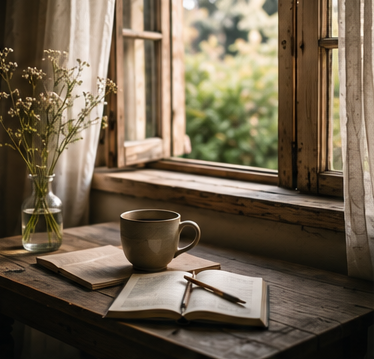
Slow morning window ritual
The Ritual of Beginning

A day begun too violently often stays violent inside the body.

The first ritual humans need back is the ritual of beginning — not an elaborate morning routine performed for self-improvement, but something humbler.

A glass of water before the phone. A window opened. A quiet cup. A few breaths before language. A moment of daylight on the face.

The body needs to know it has arrived before the world starts asking from it.

Modern life removed pauses in the name of convenience.

Meals became fuel. Homes became charging stations. Grief became private. Walking became exercise. Rest became laziness. Silence became awkward. Waiting became failure.

We gained efficiency. But somewhere along the way, we misplaced meaning.

BeginRitual gives the body a threshold before the day enters.
GatherA shared table turns nourishment into belonging.
GrieveSorrow needs witnesses, not only privacy.
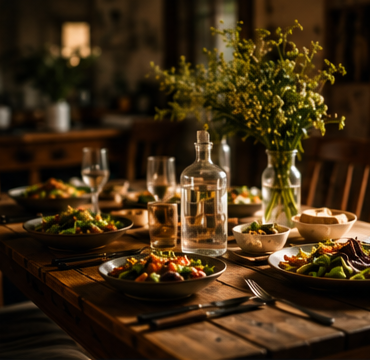
Shared meal table
The Ritual of Eating Together

A table is not only furniture. It is a social nervous system.

The shared meal was once one of humanity’s greatest technologies of belonging. Around food, families repaired tension, friends became closer, stories were passed down, children learned patience, elders remained visible.

We need back the meal that does not compete with a screen. The meal where someone asks, “How was your day?” and actually waits for the answer.

To eat together is to say: you are worth my attention while I am being nourished.

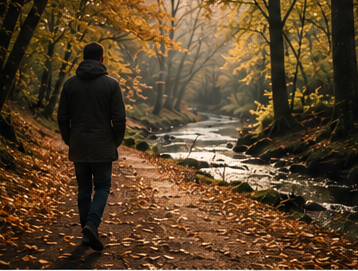
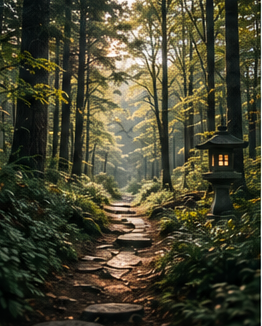
Walking without purpose
A purposeless walk is not wasted time. It is time returning to human scale.
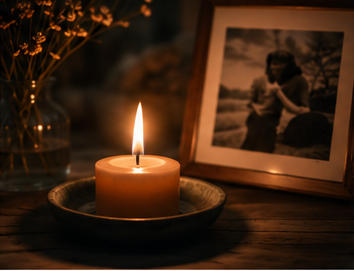
Candle for absence
Endings that are not marked remain unfinished inside us.
Seasonal clearing ritual
Outer space and inner space speak to each other.

The ritual of walking without purpose.

Modern life loves walking when it can be counted: steps, calories, pace, distance, heart rate.

But humans also need the older kind of walking — walking without measurement, without destination, without performance. The walk that lets thought untangle itself.

The walk after an argument. The walk before a decision. The walk through a city at dusk. The walk through trees when language has become too heavy.

Sometimes the soul does not need advice. It needs movement through air.

The ritual of marking endings.

We are terrible at endings now. We leave jobs with automated emails. Relationships dissolve through silence. Homes are abandoned without farewell. Seasons pass unnoticed.

But endings that are not marked remain unfinished inside us.

Humans need gestures that say: this mattered, and now it is changing.

Witness & Grief

Sorrow without a container often leaks into everything.

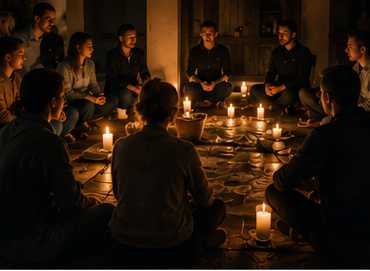
Ritual does not prevent pain. It gives pain a shape. A candle for the dead. A meal after loss. A name spoken aloud. A room where no one tries to fix what cannot be fixed.

Grief and witness ritual

The ritual of grieving publicly.

One of the cruelest myths of modern life is that grief should be private, tidy, and brief.

But grief has always needed witnesses.

Funerals, mourning clothes, communal meals, songs, remembrance days — these were not only customs. They were ways of telling the grieving person: you are not expected to carry this alone.

A society that does not know how to mourn will eventually forget how to love without fear.

The ritual of night.

Night used to arrive. Now it is often postponed.

Blue light stretches the day beyond its natural edge. Work enters bedrooms. News enters dreams. The mind remains open for business long after the body has asked for mercy.

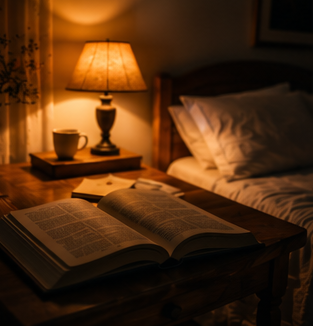
We need evening rituals again: dimmer light, a closing of the kitchen, a bath, a book, a lamp instead of overhead brightness, a final cup of tea.

“A ritual is a bridge between the inner and outer world.” The Lost Rituals Humans Need Back
Night ritual lamp
The Ritual of Night

Sleep is not only a biological event. It is a surrender.

Surrender requires trust. A night ritual tells the nervous system: nothing more is required now.

For many exhausted people, that sentence alone is medicine.

To end the day deliberately is to refuse the modern fantasy that humans should remain endlessly available.

The return of ritual is not a return to the past.

We do not need to recreate every old custom. Some traditions deserved to disappear. Some were restrictive, exclusionary, or built on social roles we no longer accept.

But the human need beneath ritual has not disappeared.

We still need ways to begin, to end, to gather, to grieve, to repair, to rest, to mark change, to make meaning visible.

The ritual of blessing the ordinary.

Perhaps the greatest ritual humans need back is the ability to bless ordinary life.

Not religiously, necessarily. Not formally. But attentively.

The first sip of coffee. The clean sheet. The safe arrival. The rain after heat. The friend who came. The child asleep. The body that carried us through another day.

Modern life trains the eye to notice what is missing. Ritual trains the eye to notice what remains.

And what remains is often enough to save us from despair.
The Final Gesture

The World Becomes
Bearable Again

A candle is lit. A table is set. A window opens. Someone comes home.

Someone is remembered. Someone says sorry. Someone walks under trees until the heart loosens.

Nothing extraordinary happens.

And yet the world becomes bearable again.