Healnest Journal Reflection
Trees Never Hurry to Grow
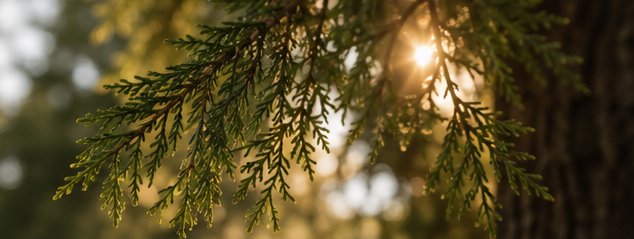
An ancient cedar has watched us for a thousand years.
It wonders why we are always running.
Somewhere deep inside an ancient forest, a tree has been watching humanity run in circles — with impressive footwear.
A traveller came into the forest just before evening, carrying the tiredness of a hundred unnecessary urgencies.
He leaned against an ancient cedar.
The cedar had been standing there for more than a thousand years.
It had seen emperors become footnotes. It had seen roads arrive with great confidence and disappear beneath moss. It had seen warriors sharpen swords beneath its shade, monks bow without speaking, merchants count coins, pilgrims lose their way, children climb too high, lovers carve initials into bark and promise forever with the heartbreaking confidence of the young.
The cedar had remained.
Not because it was stubborn.
Because no one had given it a convincing reason to hurry.
“Forgive me,” said the cedar, “but where exactly are you all going?”
The traveller looked around. There was no one else.
A bird tilted its head, as if this conversation was overdue.
“I’m sorry,” the traveller whispered. “Are you speaking to me?”
The cedar sighed, though in trees this sounds exactly like wind.
“I have been speaking for centuries. Humans usually call it background noise.”
The forest became still in the way forests do when something old decides to become honest.
“I only ask,” said the cedar, “because every century you move faster, and every century you look less arrived.”
A small leaf fell.
It did not panic.
“I suppose we are busy.”
“Ah,” said the cedar. “Busy. The modern word for frightened.”
Somewhere beneath them, in the dark, the cedar’s roots touched other roots. Threads of fungus moved quietly through the soil, carrying messages between trees: warnings, sugars, memory, care.
A forest, the cedar knew, was not a crowd of separate trees.
It was a slow conversation underground.
Humans had recently discovered this and called it science.
The trees had called it family.
“I have watched you invent clocks,” said the cedar, “and then become servants of them. Remarkable achievement.”
The traveller smiled.
“You schedule rest. You photograph sunsets without watching them. You apologise for sleeping. You call silence doing nothing. You walk through forests checking whether other people have enjoyed forests better than you.”
A squirrel paused on a branch.
Even the squirrel seemed offended by the accuracy.
“I don’t think we mean to live like that.”
“No,” said the cedar gently. “That is what makes you interesting.”
Rain began somewhere far away, still invisible, preparing its entrance with the patience of weather.
The cedar remembered rain before maps.
It remembered Roman travellers with dust on their sandals, stopping beneath distant relatives of itself and speaking of roads that would outlast the world.
The roads did not.
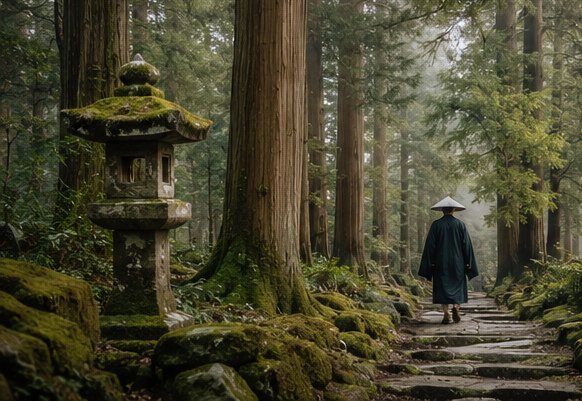
It remembered Japanese monks who walked slowly enough to hear snow gather on sleeves.
It remembered samurai resting under trees before battles, pretending not to be afraid.
It remembered pilgrims who touched bark as if touching the shoulder of God.
It remembered Indigenous elders who understood that a tree was not scenery, but kin.
It remembered children most clearly.
Children had always known how to approach trees. They did not come seeking productivity. They came with sticky fingers, impossible questions, and the sacred belief that branches existed to be climbed.
“One boy,” said the cedar, “used to visit me every summer. He would lie here and tell me he was going to become a great man.”
“Did he?”
“He became a grandfather.”
“That is greater than he imagined.”
The traveller looked toward the trunk, where old scars had folded into the bark like closed letters.
“Do you remember everyone?”
“Not their names,” said the cedar. “Names are small baskets. They cannot hold a life.”
The wind moved through the branches.
“But I remember weight. The way grief leans. The way young love cannot sit still. The way old hands rest on bark when no one is watching.”
The traveller’s eyes lowered.
The cedar did not comfort him.
Trees know comfort is sometimes just permission to feel without being repaired.
Birdsong · Rain · Leaves · Silence
“Humans keep asking where peace lives. It has always had the same address.”
The traveller looked up.
“Here?”
“Here. There. Beneath breath. Behind noise. Under the life you keep postponing.”
The rain arrived.
Not dramatically.
Rain has never needed applause.
It darkened the bark, deepened the scent of soil, turned the forest into something remembered by the body before the mind could interfere.
The traveller stayed.
For once, he did not check the time.
The cedar noticed.
Trees notice small miracles.
Slow growth is not laziness. The strongest wood is made by seasons that take their time.
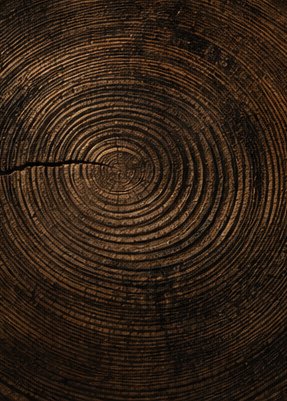
“You know,” the cedar said, “rings do not appear because a tree is ambitious. They appear because it stays.”
The traveller placed his palm against the bark.
The cedar felt the human pulse.
So fast.
So brave.
So tired.
And suddenly the cedar understood something it had been studying for centuries.
Humans were not always running toward success.
Often they were running away from the quiet place where they might hear themselves.
It did not say this.
Some truths must arrive like shade.
“I don’t know how to stop.”
“No,” said the cedar. “But you know how to sit. Begin with the smaller miracle.”
A crow called once from above, as if approving the wording.
The cedar remembered a story from Japan.
Long ago, a monk had come during winter and stood before an old cedar after losing his teacher. He bowed and said nothing for hours. Snow collected on his shoulders. When he finally rose, he did not say he was healed.
He only brushed snow from his sleeve and smiled.
The cedar had liked that.
Humans often demanded transformation.
But sometimes the soul only needed one honest snowfall.
The traveller stayed until evening loosened into blue.
He thought of all the things waiting for him.
Messages.
Deadlines.
Small emergencies dressed as destiny.
The forest did not argue with any of them.
It simply remained more convincing.
At last, the traveller stood.
“I should go,” he said.
“Humans often say that,” replied the cedar.
The traveller laughed.
Then, unexpectedly, he felt like crying.
Not because the tree had said something sad.
Because it had said nothing false.
He brushed one hand against the bark.
“Will you be here if I come back?”
The cedar seemed almost offended.
“I have watched six hundred winters. None of them arrived late.”
The traveller smiled.
He stepped onto the path.
Behind him, the cedar returned to its ancient work of standing, breathing, remembering, and quietly feeding the forest through darkness.
Just before the traveller disappeared between the trees, the cedar spoke one last time.
“You are welcome back anytime.
You never needed an appointment.”
The strongest wood is made by seasons that take their time.

🌿 Quiet Remedy
A warm forest herbal tea waits beside the window like an old friend who never asks why you came late.
Cedar-scented air. A little thyme. A little honey. Something earthy enough to remind the body that it belongs to soil before it belongs to schedules.
🎵 Quiet Companion
Music that sounds like sunlight moving through cedar branches.
Not a song that performs. Not a melody trying to be remembered. Something low, wooden, golden.
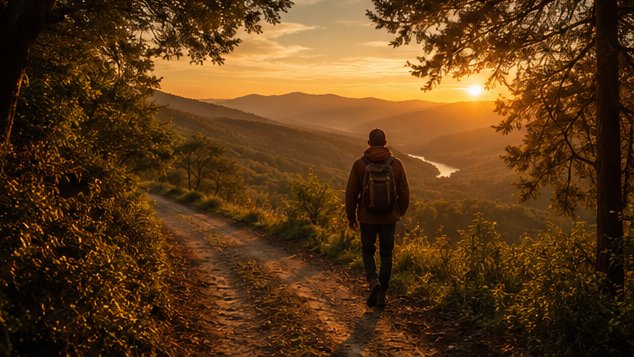
🌅 Continue Gently
If today’s conversation with an old tree reminded you of something your own body already knew…
perhaps continue walking.
Slowly.