Close your eyes
Not to disappear from the world. But to return, quietly, to the part of you that has been waiting beneath the noise.
There is a moment when the body asks for silence before the mind understands why.
It may happen in the middle of an ordinary day. The room is the same. The light is the same. Nothing dramatic has changed. And yet, something inside you begins to feel full.
Full of thoughts. Full of small responsibilities. Full of conversations you have already had and conversations you are still preparing for.
In that moment, closing your eyes is not weakness. It is wisdom arriving quietly.
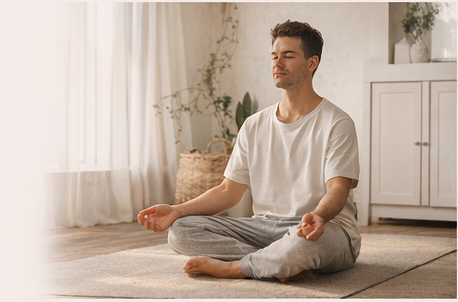
The eyes close, and the world becomes softer around the edges.
You are not escaping life. You are allowing life to stop pressing so hard against you.
The sound outside remains. The day continues. But somewhere within, a door closes gently. Behind it, there is no performance. No explanation. No need to be impressive.
Only breath. Only presence. Only this quiet permission to be as you are.
Nothing needs to happen here.
You do not need to become calm. You do not need to empty your mind. You do not need to turn this moment into another task.
Just notice one breath entering. One breath leaving. That is enough.
“Sometimes healing begins not when we find the answer, but when we stop demanding one from ourselves.”
HealNest ReflectionA restless mind is not a broken mind.
The mind will move. It will return to unfinished work, old memories, future worries, half-written messages, things you should have said, things you hope will happen.
Let it move.
You do not have to fight every thought. You do not have to win against yourself. When you notice you have wandered, return gently — the way you would guide someone you love back into a warm room.
This is meditation: not perfect silence, but a kinder return.
Close your eyes, and come home slowly.
This small practice can be done anywhere — beside your bed, at your desk, before sleep, after difficult news, or during a quiet pause in the day.
Soften
Let the shoulders fall. Unclench the jaw. Let the hands rest without purpose.
Close
Close your eyes gently, or lower your gaze. Nothing must be forced.
Notice
Feel the breath as it is. Not deeper. Not slower. Just present.
Return
When thought pulls you away, come back softly. Once is enough. Again is enough.
Not every silence feels empty. Some silences hold us.
Visitors come to this page with different kinds of tiredness. The design should not tell them who to be. It should quietly make room for what they are carrying.
Let the voice be softer than your own breath.
You may listen, or simply read. You may complete the practice, or leave halfway. Nothing here is measured.
Close Your Eyes Meditation
Begin when you are ready. Pause anytime. Let this be companionship, not instruction.
Opening
Sit in a way that asks very little from the body. Let the room be as it is. Let the day be unfinished.
Breath
Notice the breath arriving. Notice it leaving. You do not need to help it. You only need to keep it company.
Softening
Let the forehead smooth. Let the jaw loosen. Let the shoulders remember that they do not have to carry everything in this moment.
Return
If the mind wanders, welcome it back. Not with discipline, but with tenderness.
Closing
Stay for one more breath. When you open your eyes, return slowly. Bring nothing back except a little more gentleness.
What changed, even slightly?
There is no correct answer. Sometimes the quiet leaves a feeling before it leaves a sentence.


Some pauses are small. But they can change the way the rest of the day feels.
When the world becomes too loud, close your eyes. Not to leave your life, but to return to it more gently.