
Some days,
the body asks for less.
Energy is not a demand to do more. Step into the familiar moments after activity, a long day, or travel — and find language for the everyday tiredness that deserves attention.
Enter the first room ↓Before recovery became a measurement, someone simply noticed you were tired.
A towel folded at the end of a day. A chair moved into the shade. A glass of water placed within reach. We remember those gestures not as proof of treatment, but as the everyday language of care passed between generations.
Healnest keeps household memory and present-day evidence in conversation, with practical safety never hidden behind nostalgia.

After the body has worked.
Activity asks something of muscles and attention. These familiar feelings deserve a pause, not an achievement badge.
Rest need not be earned.
There is room for recovery in an ordinary day — without promises of instant energy or pressure to push through.
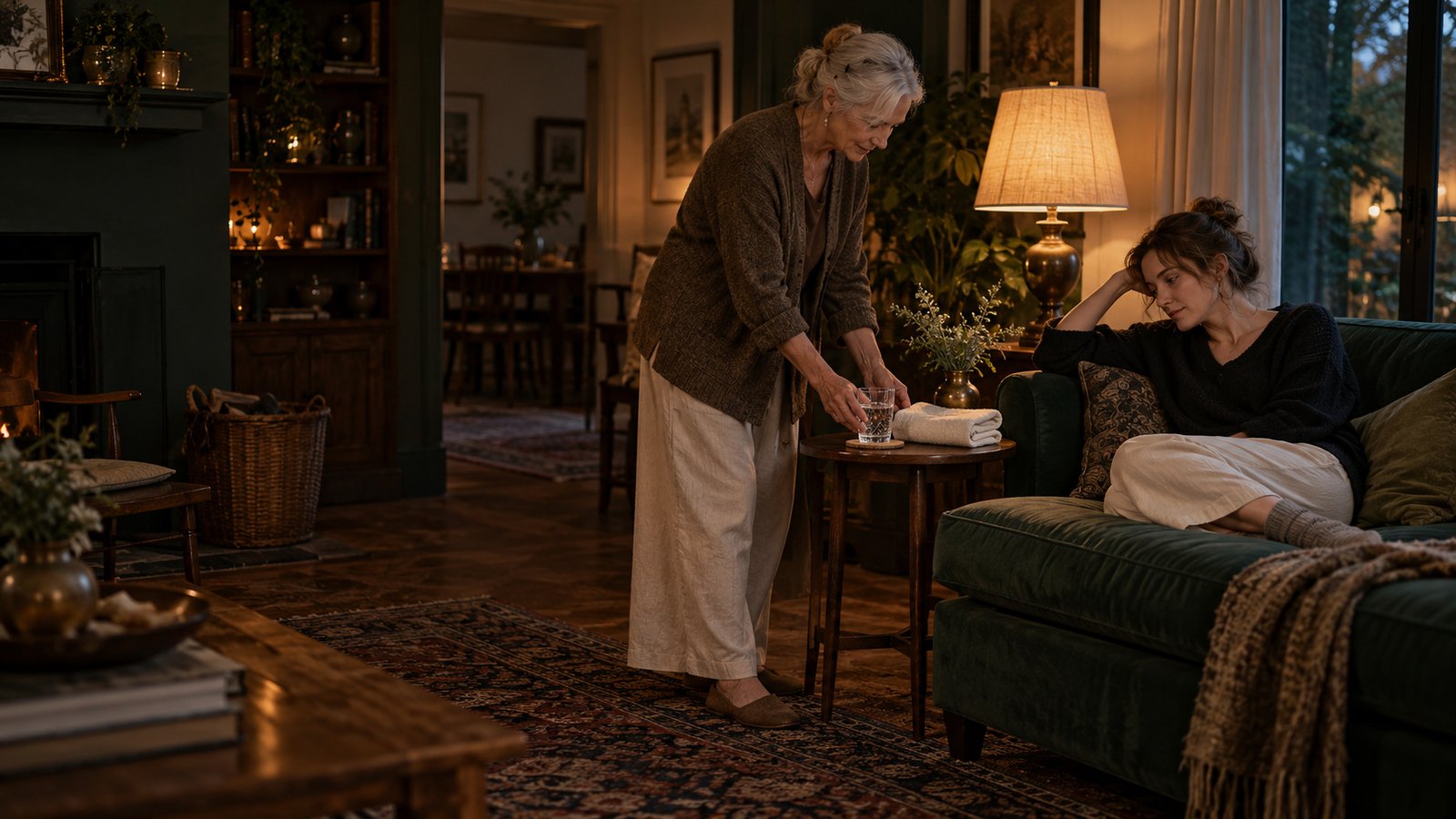
When the energy feels low.
There are days when it is difficult to name exactly what is missing. Naming the feeling is enough to begin.
A journey can end before its tiredness does.
The next room follows the body through movement, travel and returning home.

The distance we carry home.
A long trip can leave its rhythm in our shoulders, legs and sense of energy long after arrival.
Choose a feeling in one of the rooms.
This experimental page does not issue Remedy recommendations. Approved Remedy Paths routing will be connected separately.

Sometimes care was simply permission to stop.
Progress does not require forgetting. The warm towel, the offered glass, the patient presence — these memories belong beside modern knowledge, not in place of it.