Global Cover Story · Neighbors, Loneliness & Modern Absurdity

The Day We Stopped
Knocking on Doors

What happened when everyone became reachable, but nobody visited — a personal, funny, slightly tragic story of doorbells, neighbors, missed tea, and the loneliness of modern convenience.

Once upon a time, people knocked on doors without sending a calendar invite first.

They simply arrived.

A neighbor stood outside with a bowl covered by a plate. An uncle appeared because he was “passing nearby,” which somehow meant a forty-minute detour and complete emotional invasion. A friend knocked twice, entered halfway before anyone answered, and shouted your name as if the house belonged to the community, which, in a strange and beautiful way, it did.

Nobody said, “Are you free for a quick sync?”

They said, “Open the door.”

This was before we became sophisticated. Before we learned to say “Let’s catch up soon” with the spiritual emptiness of an airline apology. Before friendship required scheduling software, emotional energy budgeting, and three rounds of “Sorry, just seeing this.”

There was a time when the door was not a security boundary, a delivery checkpoint, or the place where cardboard boxes went to experience abandonment.

The door was alive.

It was the place where ordinary loneliness was interrupted by another human being carrying tea, gossip, or unnecessary advice.

Of course, we should not romanticize the past too much. Surprise visitors were not always poetic. Sometimes the person at the door was exactly the person you were avoiding. Sometimes relatives arrived at lunch with the confidence of royalty and the appetite of a small army.

But even inconvenience had a kind of warmth.

Someone thought of you, walked over, and knocked.

Then progress arrived wearing smart shoes and holding a password-protected calendar.

We became reachable everywhere and available nowhere. We replaced knocking with texting, visiting with reacting, and community with a group chat where everyone is “typing...” but nobody is actually coming over.

Vintage doorbell
The Door Was Once Social Technology

Before smartphones, the doorbell was the notification.

It had only one setting: immediate panic.

The bell rang, and everyone in the house became part of a national emergency. Someone adjusted their clothes. Someone hid the mess. Someone whispered, “Who is it?” as though a medieval army had arrived.

And yet, beneath the chaos, there was a thrill. The world had come close enough to touch.

Modern life did not end community dramatically. It outsourced it politely.

We did not wake up one day and decide to become lonely. Nobody held a meeting and voted, “From tomorrow, all emotional warmth will be replaced by thumbs-up emojis.”

It happened slowly. We got busier. Cities grew taller. Families spread across countries. Work followed us home. Phones made us reachable. Reaching became mistaken for relating.

BeforeSomeone knocked because they wanted to see you.
NowSomeone sends “we should meet soon,” and both parties understand this may mean 2029.
StillThe human heart remains embarrassingly analog.
Delivery at door
The Age of Closed Doors

We became private enough to be lonely in peace.

Modern homes are miracles of comfort. Climate control, streaming, grocery delivery, robotic vacuum cleaners bravely fighting crumbs while we emotionally collapse on the sofa.

But comfort has a strange side effect. It can make the outside world feel optional. Then people become optional. Then knocking becomes intrusive. Then loneliness becomes normal because, frankly, normal has excellent Wi-Fi now.

We gained convenience, but lost interruption — and some interruptions were saving us.

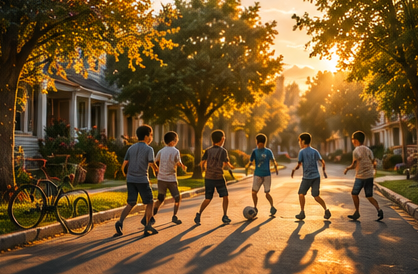
Children playing in street
A neighborhood is not made of buildings. It is made of people who know when someone has stopped coming outside.
Tea and note
Some of the world’s best therapy once arrived in steel bowls covered with plates.
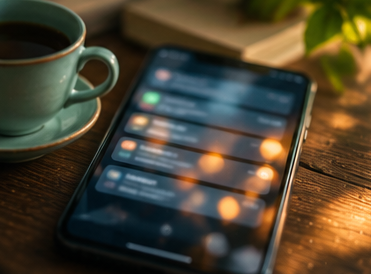
Phone notifications
Everyone is reachable. This is not the same as being held.

The strange comedy of modern friendship.

Modern friendship is very advanced. First, someone says, “We must meet.” Then both people experience a tiny panic because meeting requires leaving the house, choosing clothes, commuting, and behaving like a functioning adult for at least ninety minutes.

Then comes the scheduling phase, a delicate diplomatic process involving six dates, three apologies, one child’s school event, two work deadlines, and someone saying “next month might be better” with the optimism of a person applying for citizenship on Mars.

Finally, after great effort, the meeting happens. Everyone says, “Why don’t we do this more often?”

Then nobody does.

We built a world where friendship survives mostly through intention, memory, and occasional birthday messages written by algorithms.

But the sadness underneath is real.

Beneath the jokes is something tender and serious. Many people are lonely not because they are unloved, but because love has become logistically exhausted.

Affection exists. Care exists. Good intentions exist in large quantities. Unfortunately, good intentions are terrible at making tea.

A knock on the door did something a message cannot always do. It converted care into presence.

Presence

A message says, “I remembered you.” A visit says, “I crossed space for you.”

That difference matters. The body understands arrival. It understands footsteps, voice, eye contact, hands holding cups, someone sitting in the same room long enough for the heart to stop pretending.

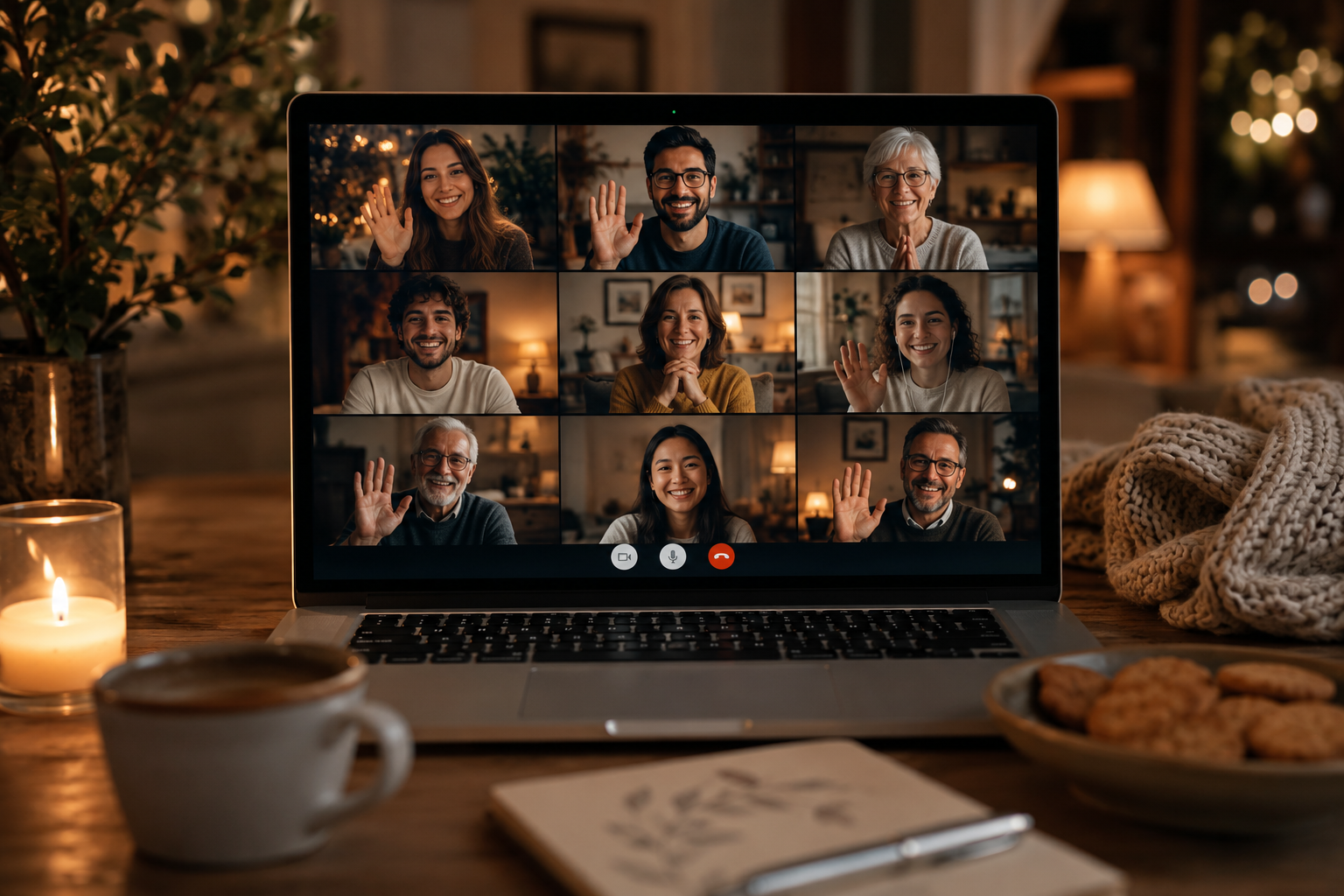
Video call gathering

Why knocking mattered.

Knocking was imperfect. It interrupted. It embarrassed. It caught people in old clothes, messy rooms, unpaid bills, half-cooked meals, and the emotional condition known as “not ready for guests.”

But this was partly its beauty.

People saw one another before the performance was complete.

They saw the real house, not the curated photograph. The tired face, not the updated profile picture. The kitchen smell, the laundry chair, the child crying, the elder resting, the ordinary life still unfolding.

Community begins where performance relaxes.

The door also protected us from disappearing.

In older neighborhoods, someone noticed if you did not open your curtains. Someone noticed if your usual walk stopped. Someone asked why the front step looked untouched.

Yes, sometimes this was nosiness. Let us respect the ancient global tradition of neighbors knowing too much.

But sometimes nosiness was love wearing badly fitted shoes.

“We became connected enough to know everyone’s updates, and distant enough not to know who needed soup.” The Day We Stopped Knocking on Doors
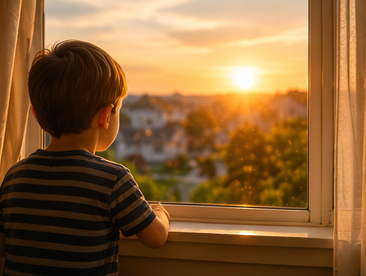
Looking out window
The Elder at the Window

Some people are not waiting for entertainment. They are waiting to be remembered.

In every city, village, apartment block and suburb, there are people living behind doors that rarely hear a human hand anymore.

The old neighbor who used to sit outside. The uncle who says he is fine too quickly. The friend who keeps cancelling because sadness has made leaving the house feel like international travel.

These people may not need advice. They may need someone to knock gently and say, “I was nearby.”

This is not a call to invade people’s privacy like an enthusiastic auntie with biscuits.

Boundaries matter. Safety matters. Consent matters. The past was not perfect, and many people are grateful we no longer live in a world where every relative had a constitutional right to inspect your living room.

But there is a middle path between emotional invasion and total disappearance.

A text before visiting can still become a visit. A message can still become a meal. A thought can still become a doorstep.

The healing ritual we need back.

The ritual is simple: make care physical again.

Carry food. Bring tea. Drop off fruit. Sit for fifteen minutes. Walk together without making it a fitness event. Check on the person who says “I’m okay” with suspicious efficiency.

Do not wait until someone is in crisis. Loneliness becomes easier to hide the longer it is practiced.

Healing does not always arrive through profound conversations. Sometimes it arrives through someone standing at the door holding something warm.

We do not need to return to a world without boundaries. We need to return to a world where care occasionally leaves the screen.
The Final Knock

Maybe Start
With One Door

One evening, perhaps, we will remember someone nearby.

We will not write a perfect message. We will not wait for the ideal time. We will not organize a six-week calendar negotiation called “catch-up.”

We will carry something small. Tea. Fruit. Soup. A ridiculous story. A little courage.

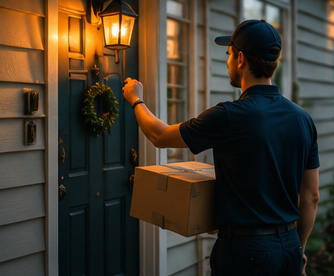
And then, gently, we will knock.